We use cookies and other technologies to personalize your experience and collect analytics.

RAIN / RUIN Phillip Lai
Phillip Lai
RAIN / RUIN
Spike Island, 31 January – 10 May 2026

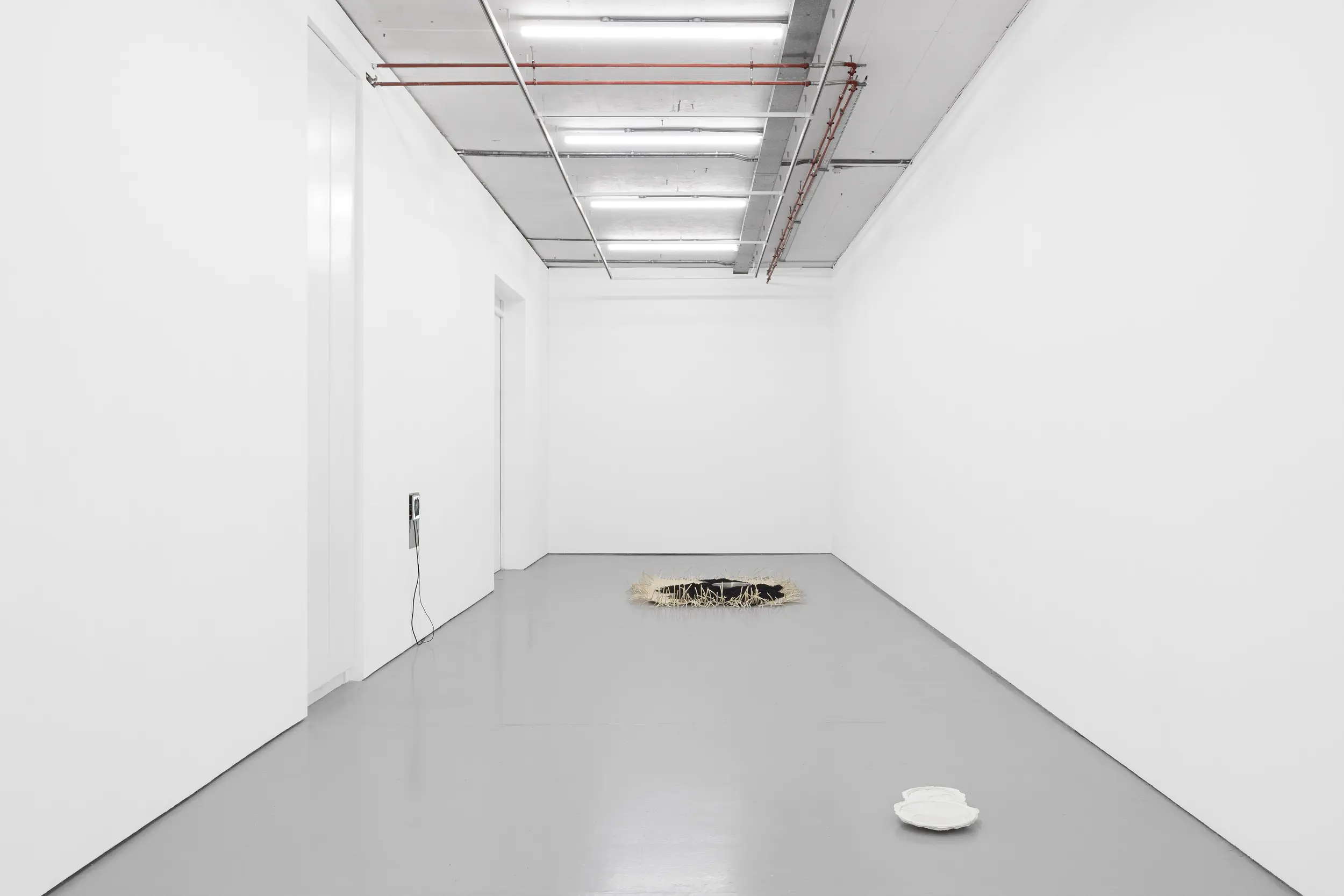
Phillip Lai’s exhibition RAIN/RUIN at Spike Island is his most significant institutional presentation to date, and comprises new sculptural commissions.
Lai’s sculptures combine existing everyday materials with his own intensive re-makings of familiar objects to create a parallel imprint of what we constitute as ‘real’. In this familiar landscape, he isolates moments of sculptural potential by intervening in industrial processes. These interventions effect a transformation in the object that erodes the logic of its material grammar.
At Spike Island, Lai focuses on objects that denote containment: trays, dishes and receptacles that typically carry food or water, as well as larger vessels like cages that might hold bodies. A cage-like enclosure is installed in the central gallery. Suspended high off the ground, its galvanised metal form is loosely inspired by urban infrastructure, such structures that hold monitoring and signalling equipment. A spectral sonic element pulses through the air, a machinic rhythm that echoes Spike Island’s industrial past.
Elsewhere, a series of sculptural forms extend Lai’s material engagements. Lai envisions transfers and retentions of energy within sculptures that suggest basic daily functions. These flows of energy are also reflected in Lai’s processes, which often incorporate expenditures of kinetic and thermal energy, from metal spinning to bringing materials such as pewter and wax to a molten state in the casting process. Several installations were also instigated by rekindling the latent potential of ideas and processes from earlier video works, such as Introduction (2009). Here, mysterious flares of colourful smoke, set against a black backdrop are presented across multiple LCD and integrated into a new assemblage.
The sculptures feel anonymous and transient, located in a zone where time and space feel out of joint. Within this interplay of forms, notions of the proximal and the remote, the sacred and the profane, and of surplus, excess and destruction are quietly held in tension. Made using varied materials such as wax, stainless steel, concrete, resin and burnt wheat, each sculpture represents the crystallisation of many attentive processes, often involving multiple castings. The intricacy of their construction belies the simplicity of their final form.
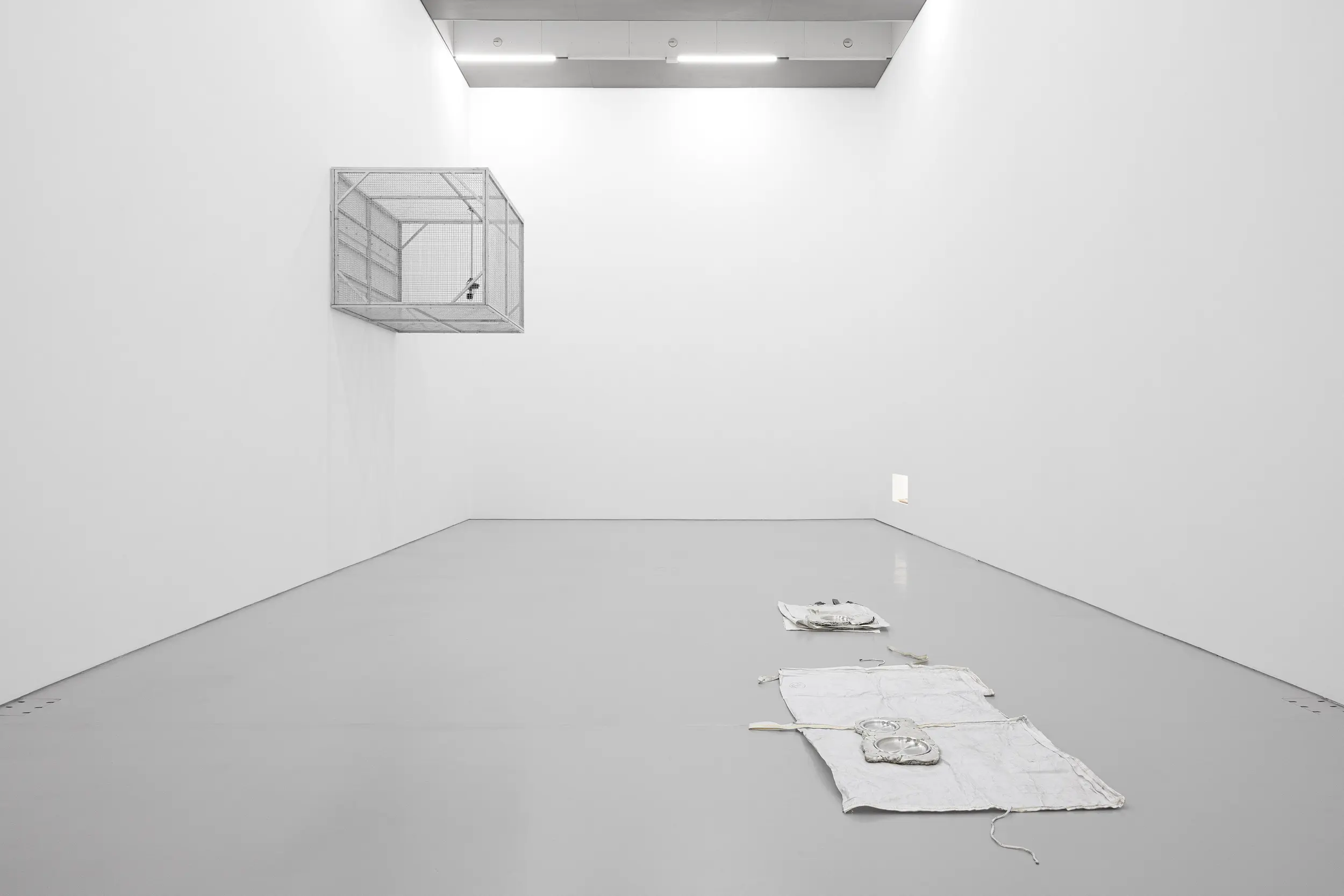
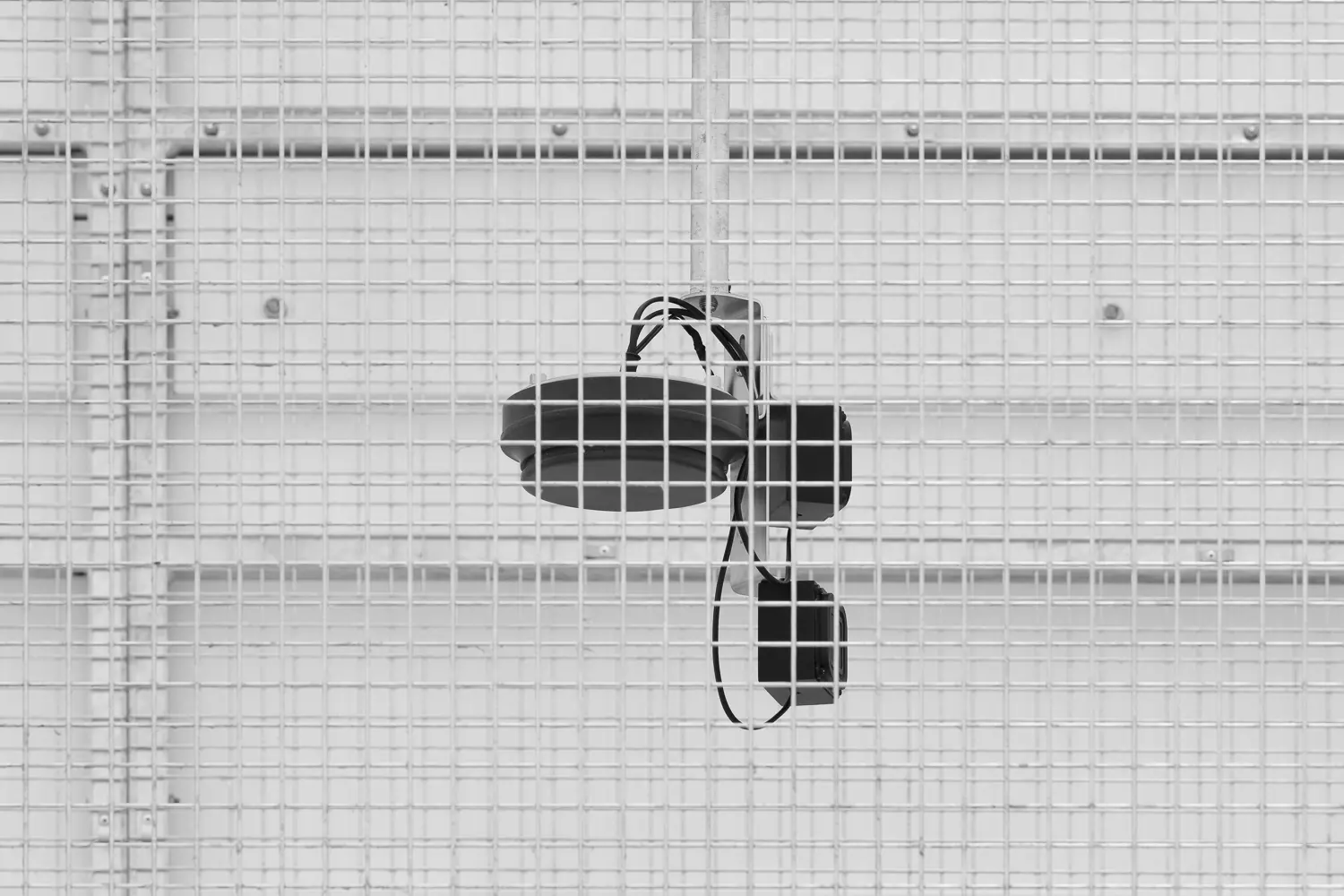
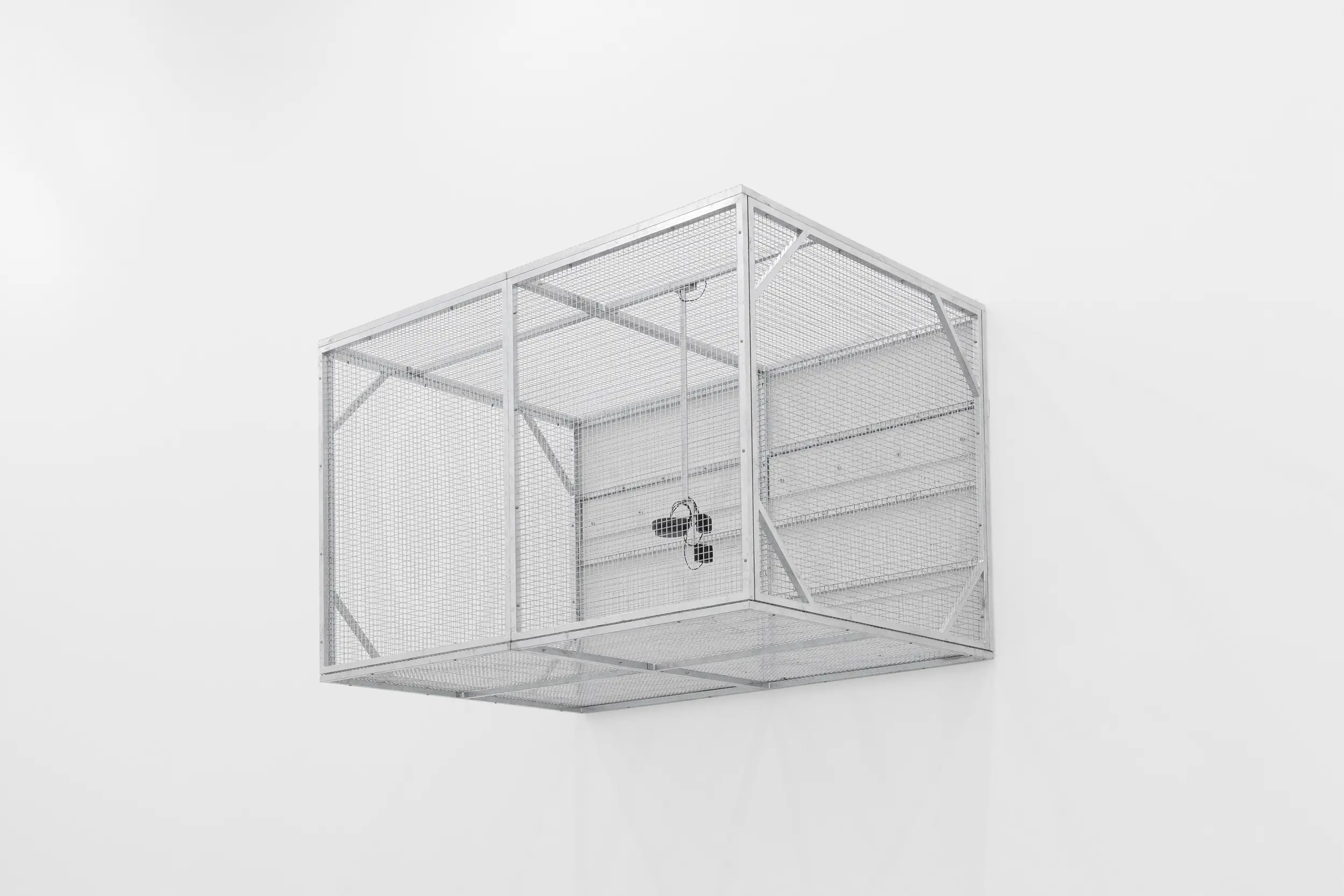
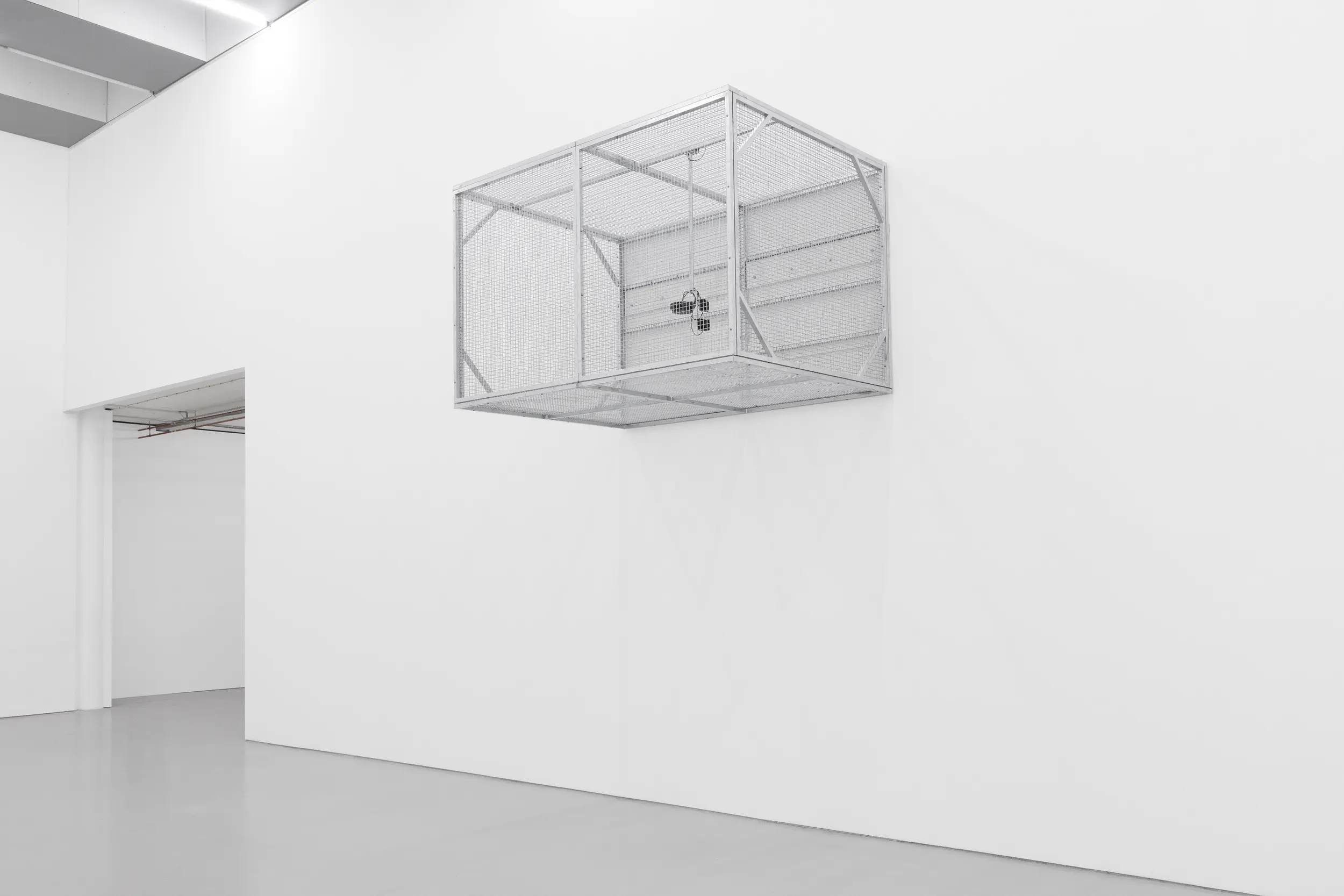
galvanised steel and steel mesh, stainless steel, cast epoxy resin, 3D-printed nylon, electronics, sound, 157 x 246 x 176.2 cm, 61 3/4 x 96 7/8 x 69 3/8 in
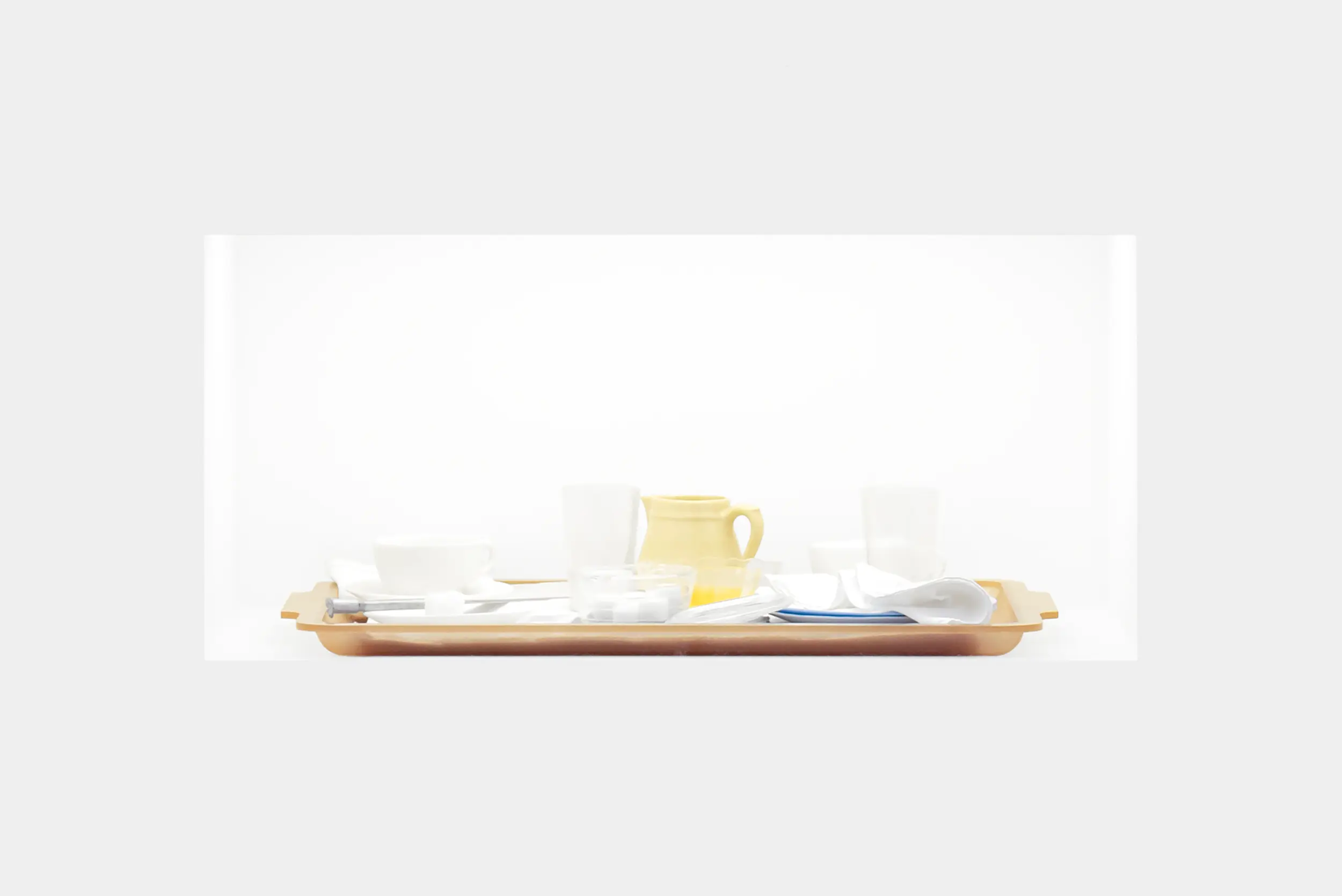
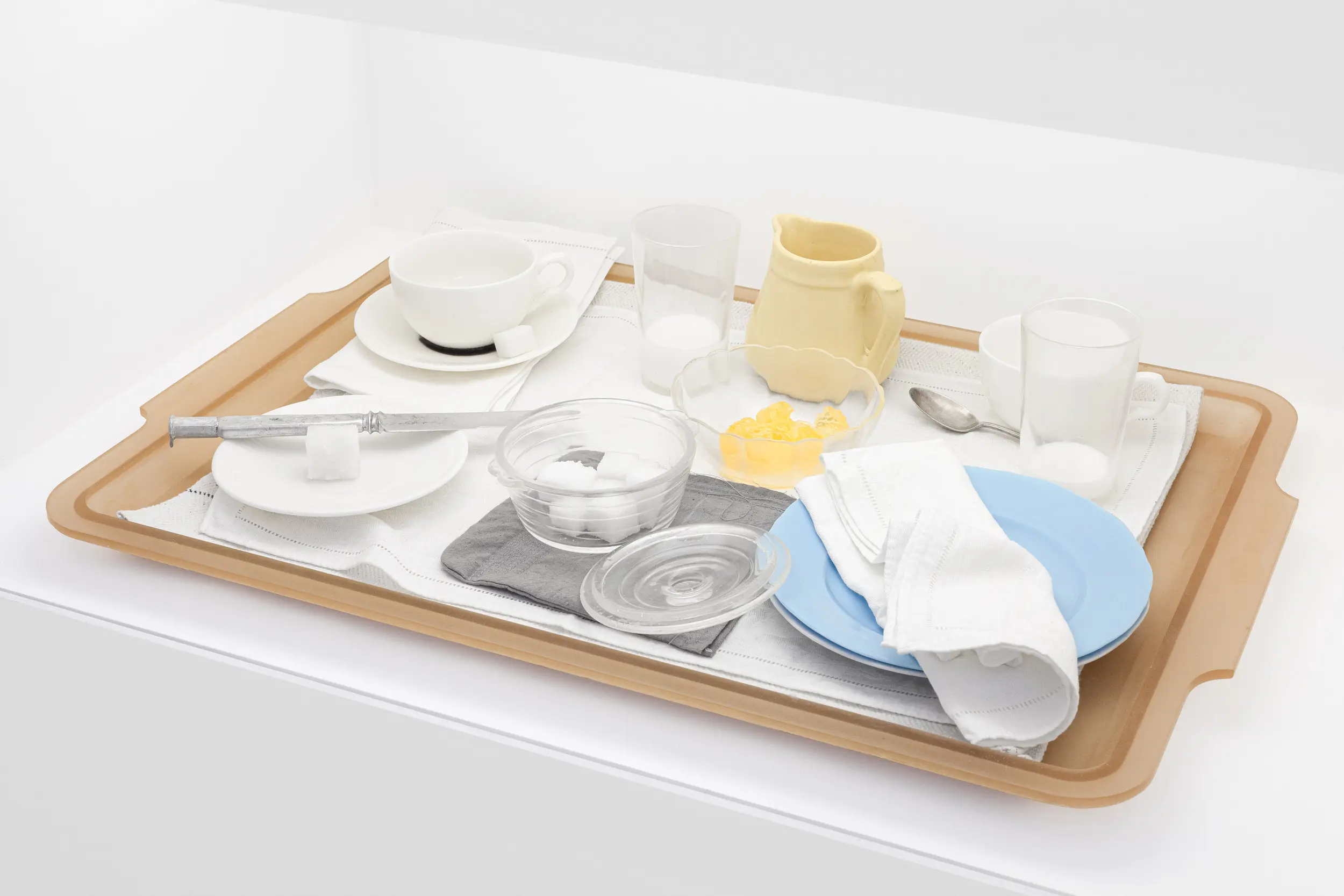
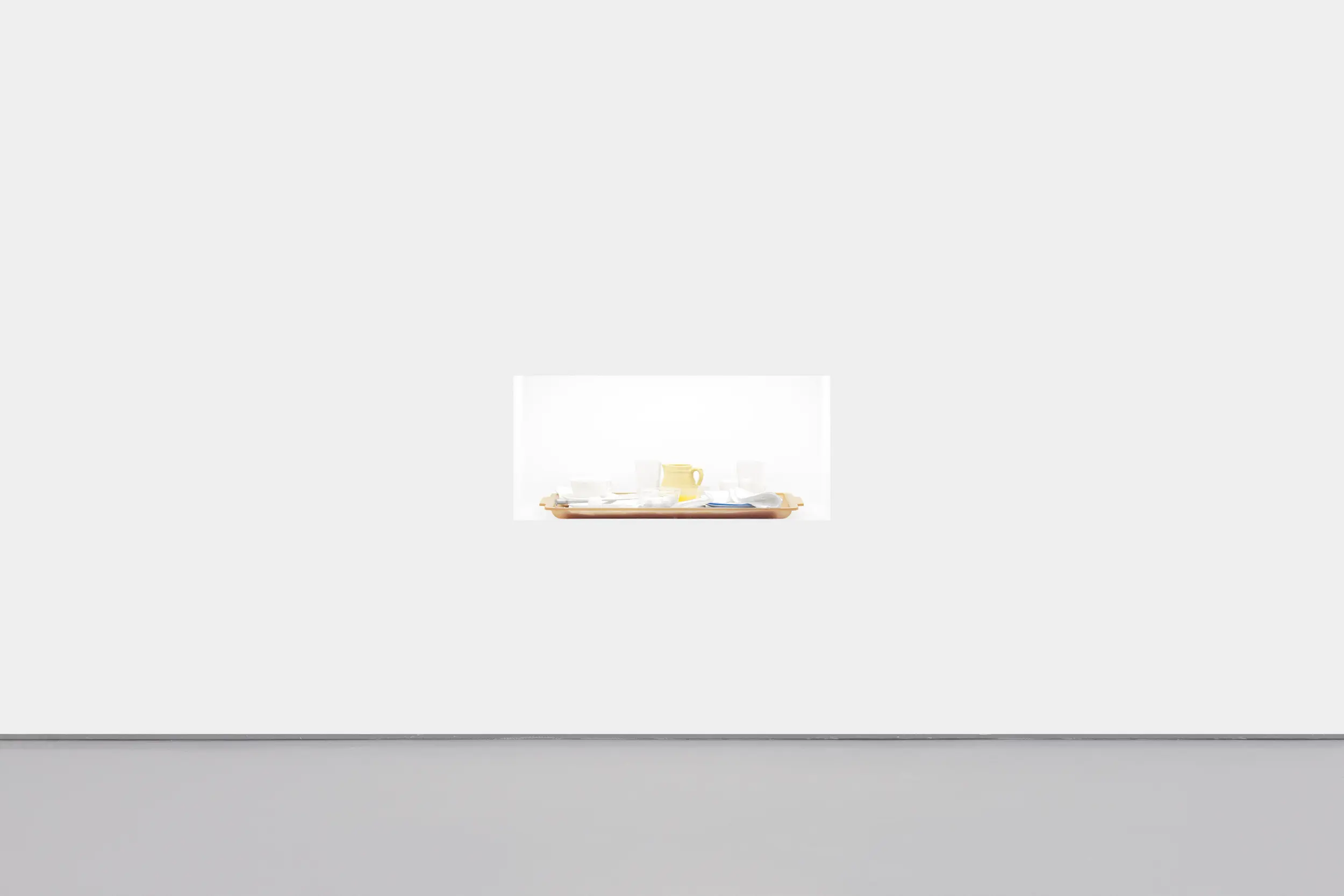
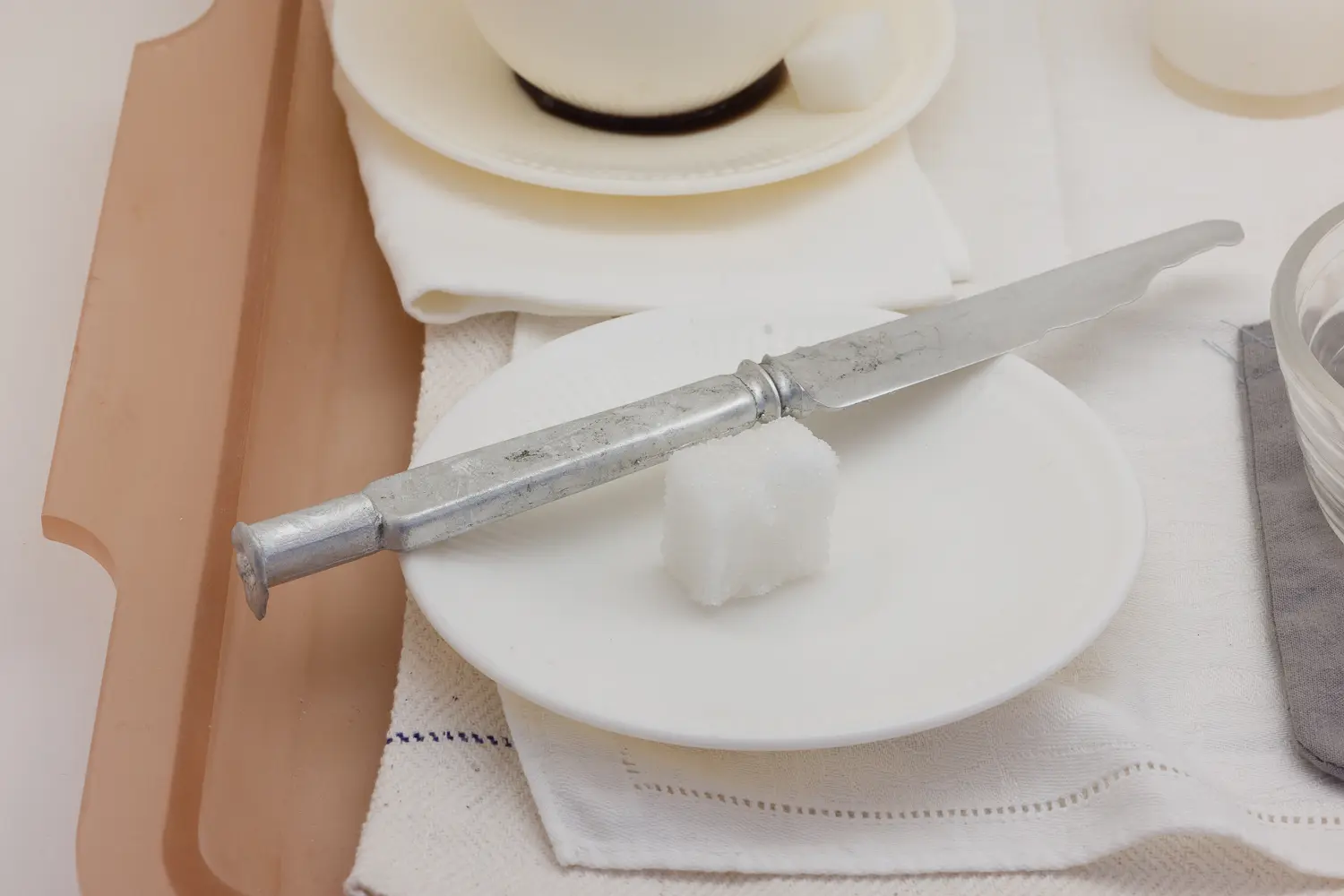
cast epoxy resin, cast pewter, found and sewn fabrics, metal spoon, sugar, inset wall enclosure, 34.5 x 75.5 x 50 cm, 13 5/8 x 29 3/4 x 19 3/4 in
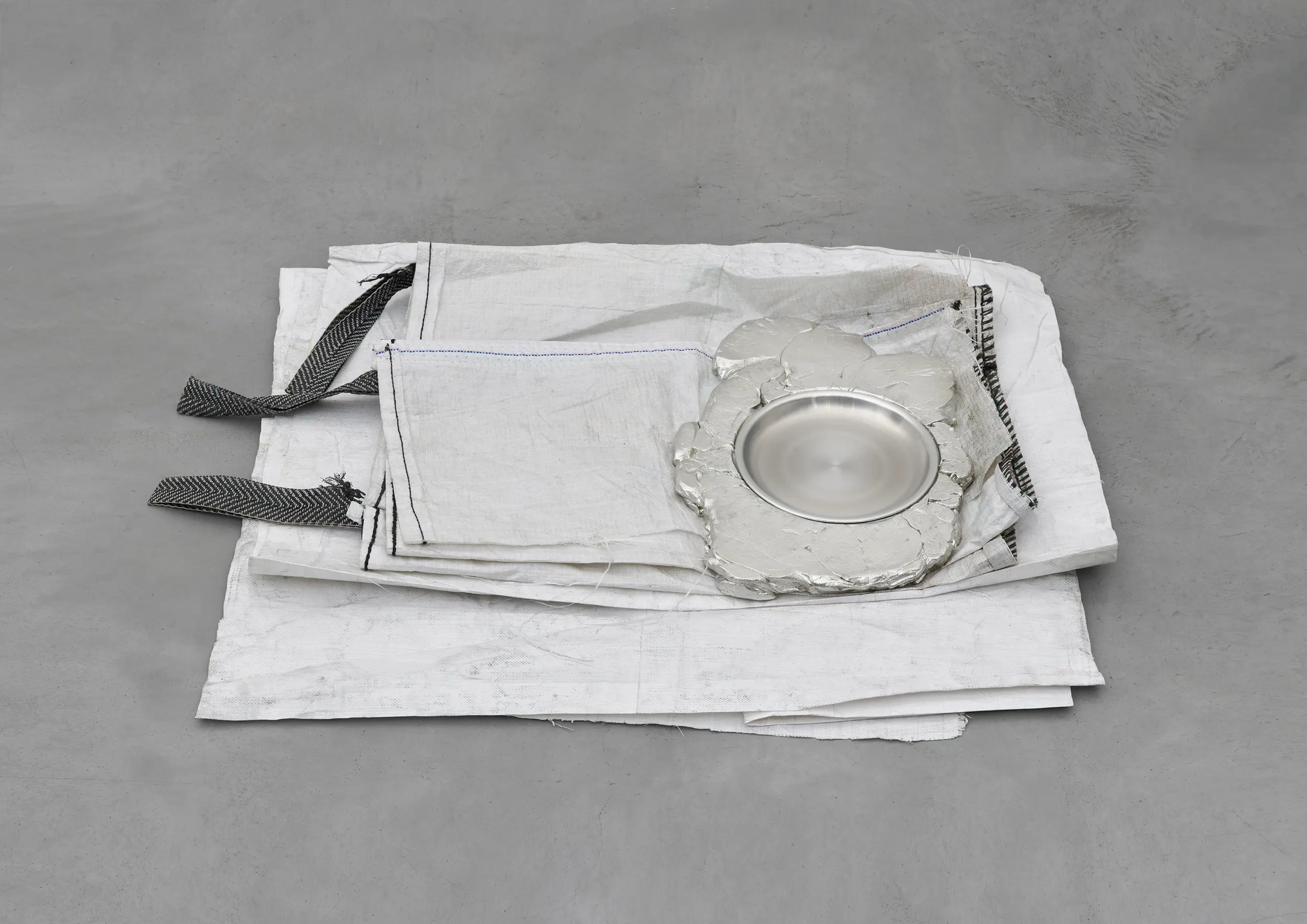
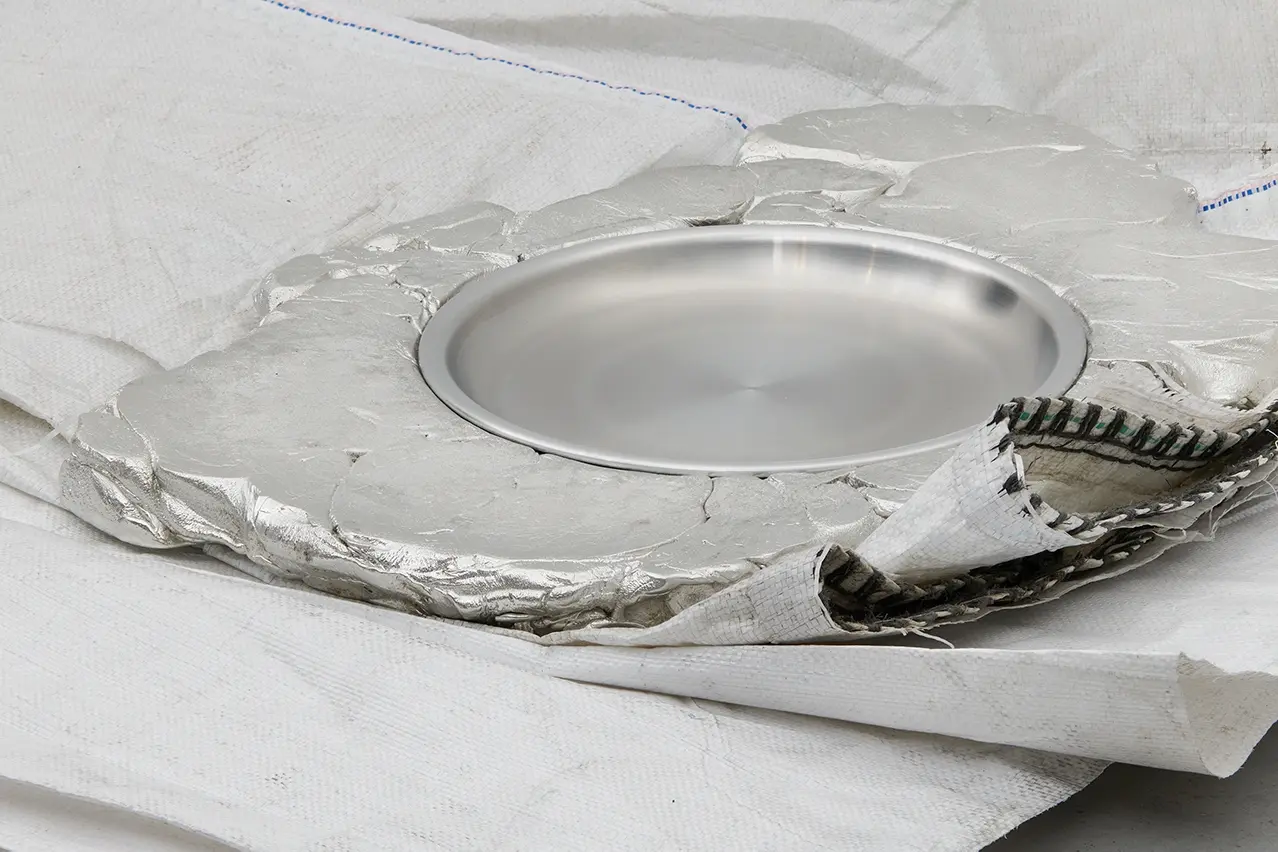
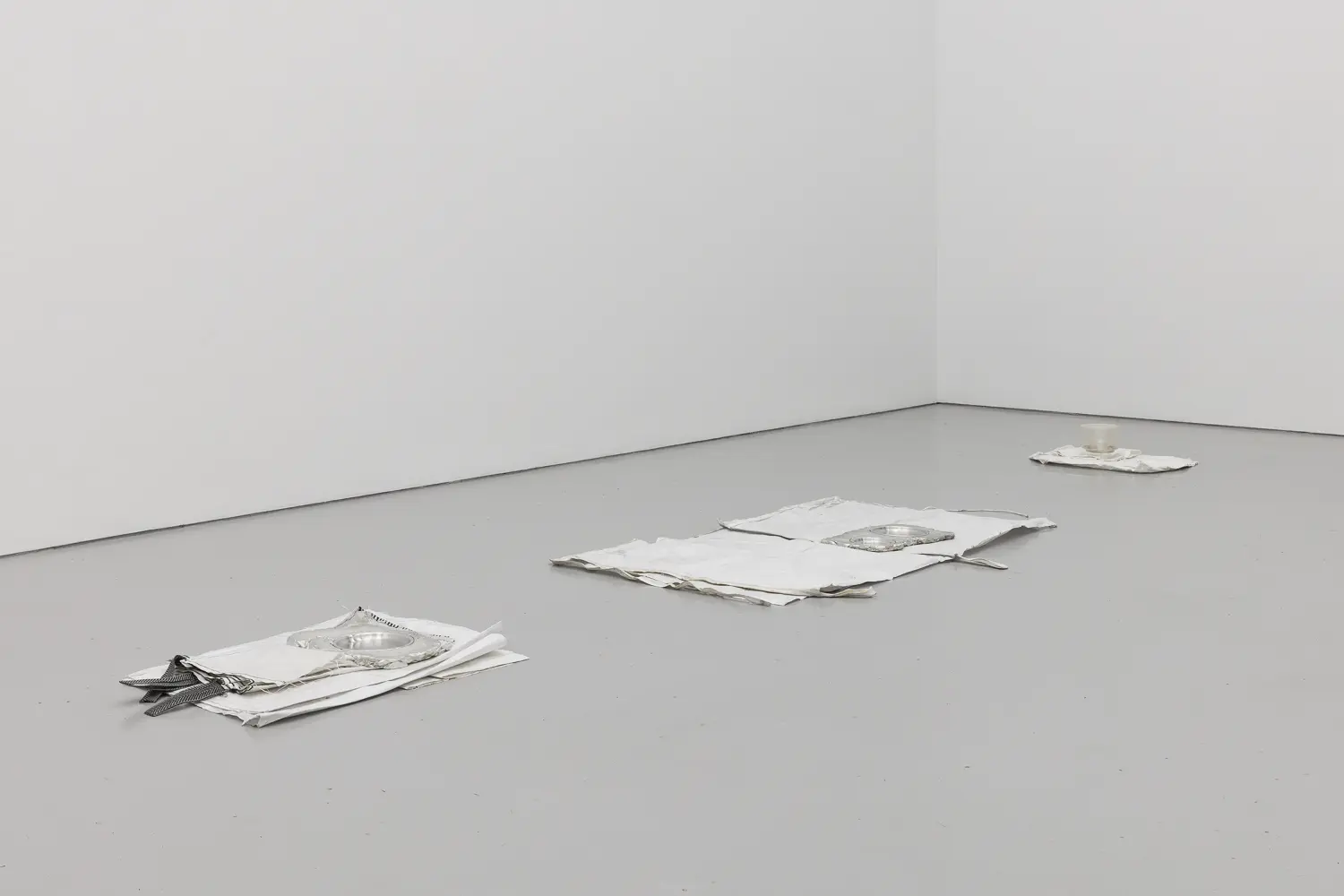
cast pewter, aluminium, polypropylene fabric, 11 x 120 x 97 cm, 4 3/8 x 47 1/4 x 38 1/4 in
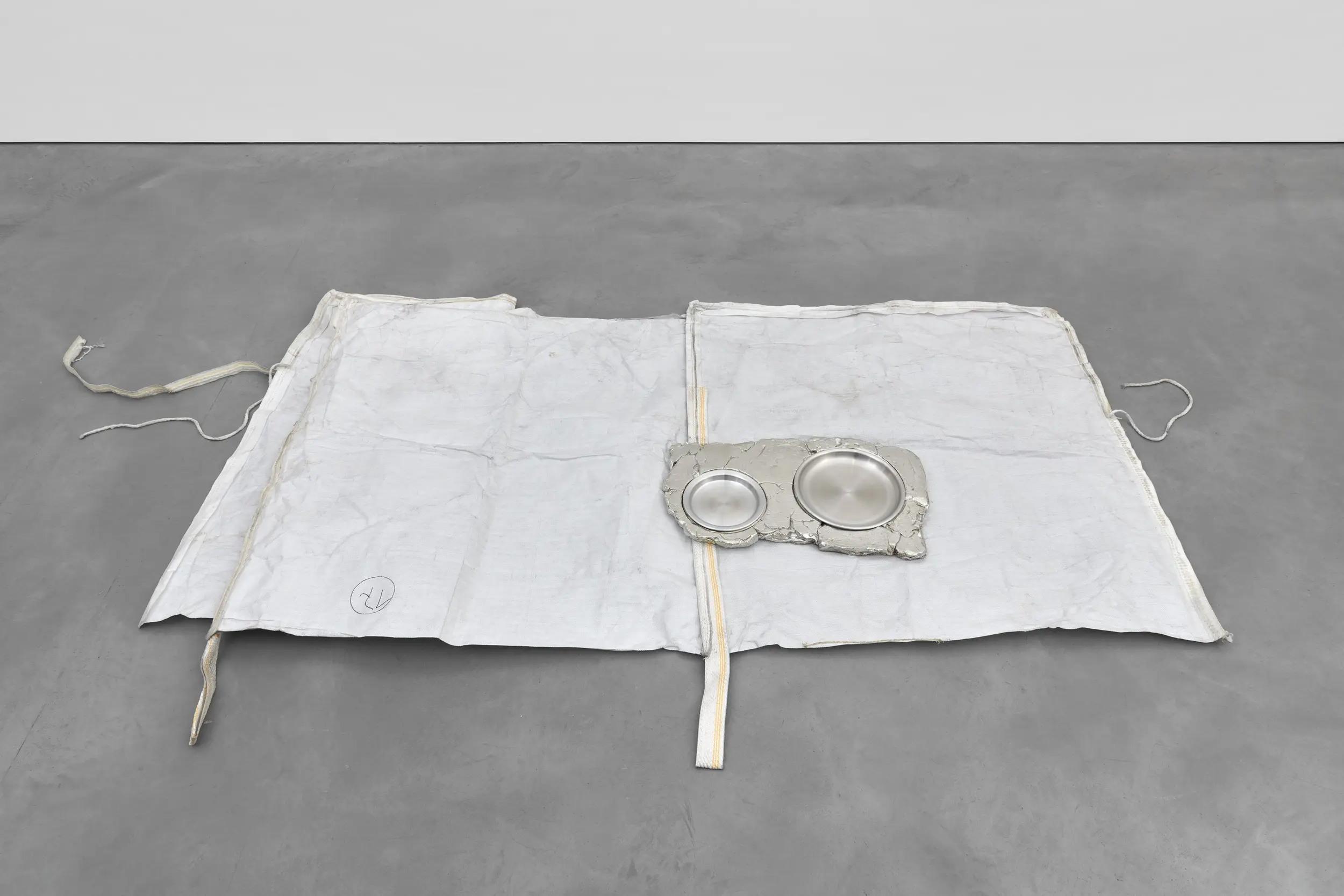
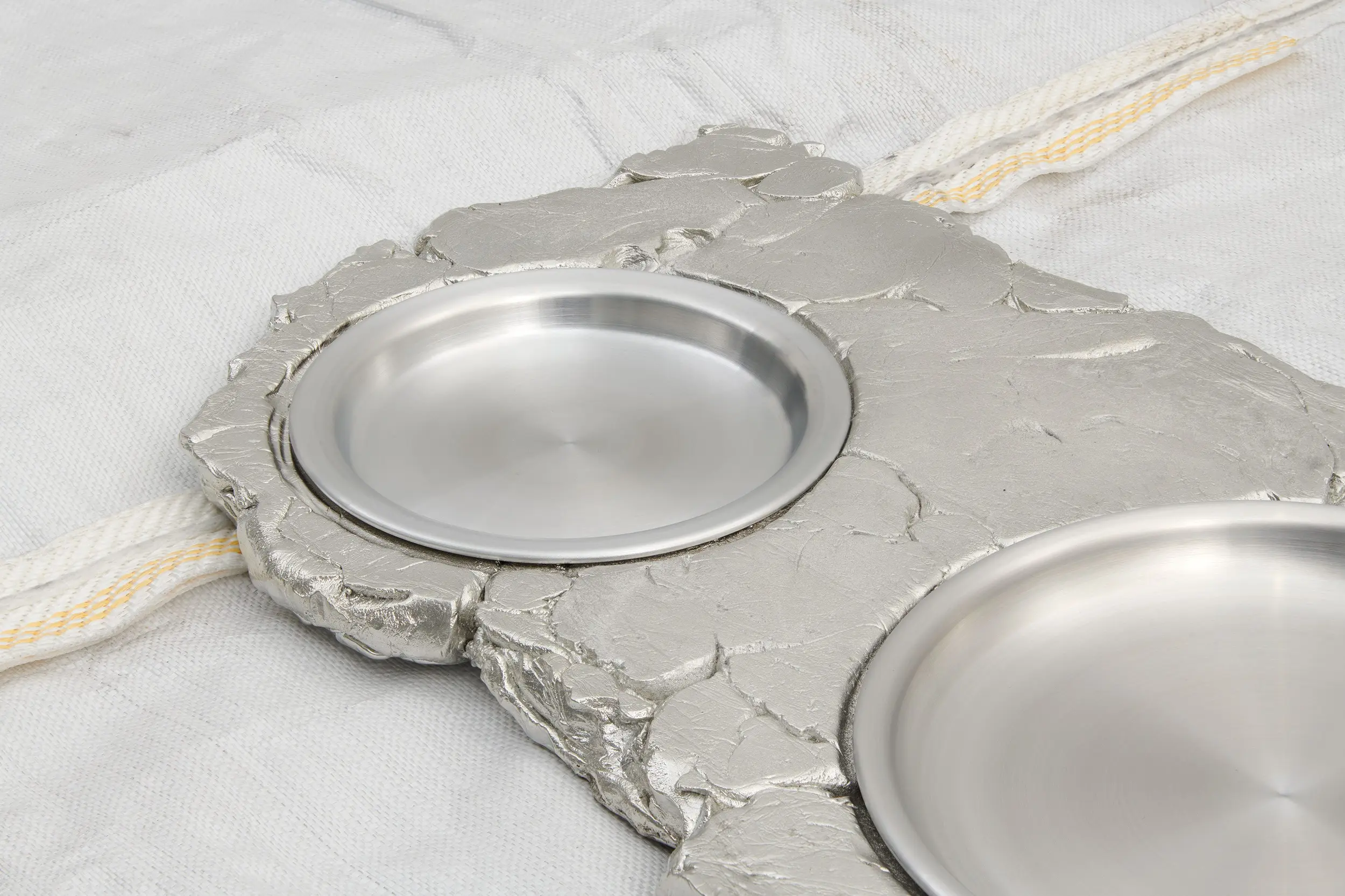
cast pewter, aluminium, polypropylene fabric, 8 x 236 x 158 cm 3 1/8 x 92 7/8 x 62 1/4 in
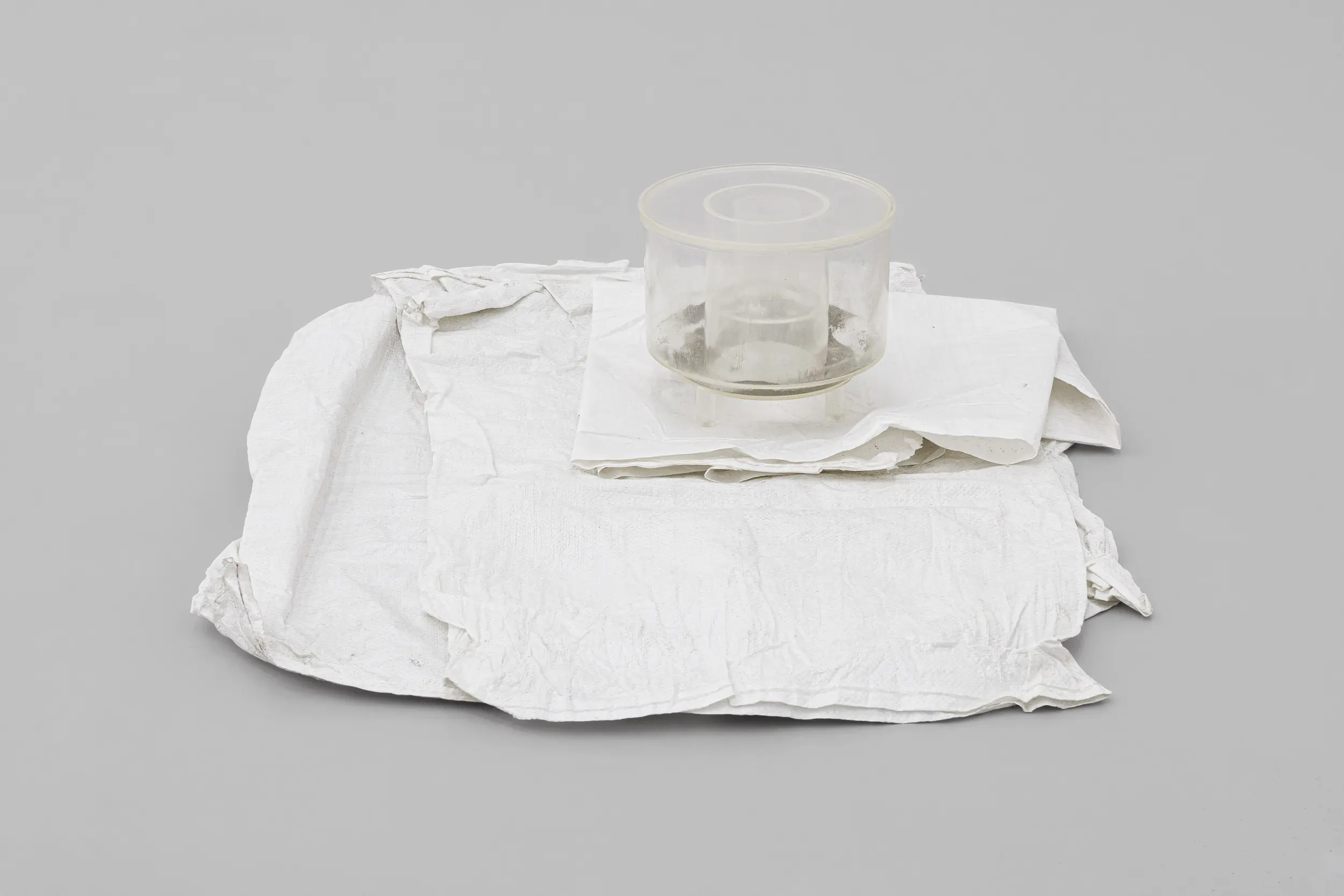
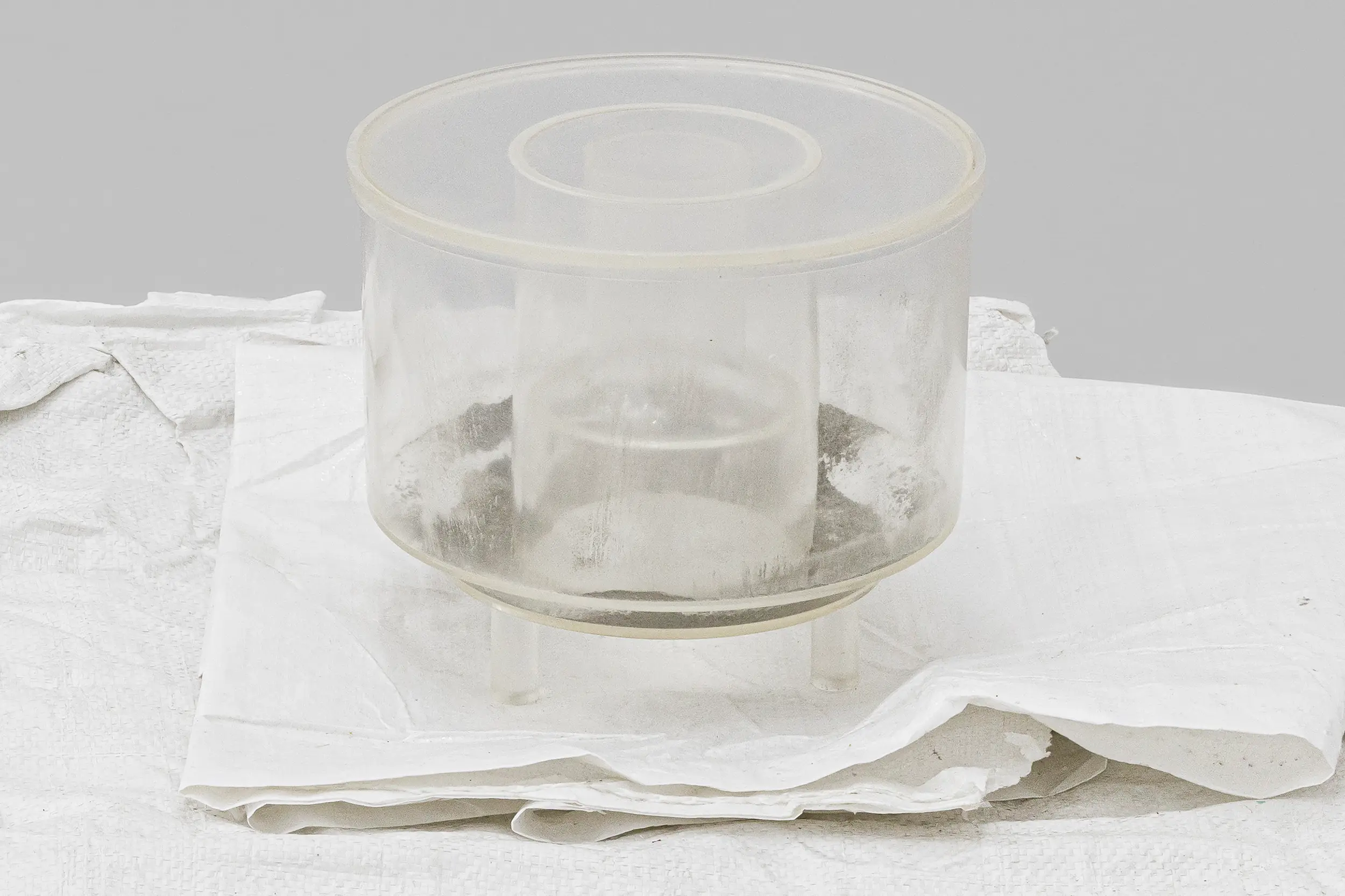
cast epoxy resin, cement powder, polypropylene rubble sacks, 91 x 76 x 21 cm, 35 7/8 x 29 7/8 x 8 1/4 in
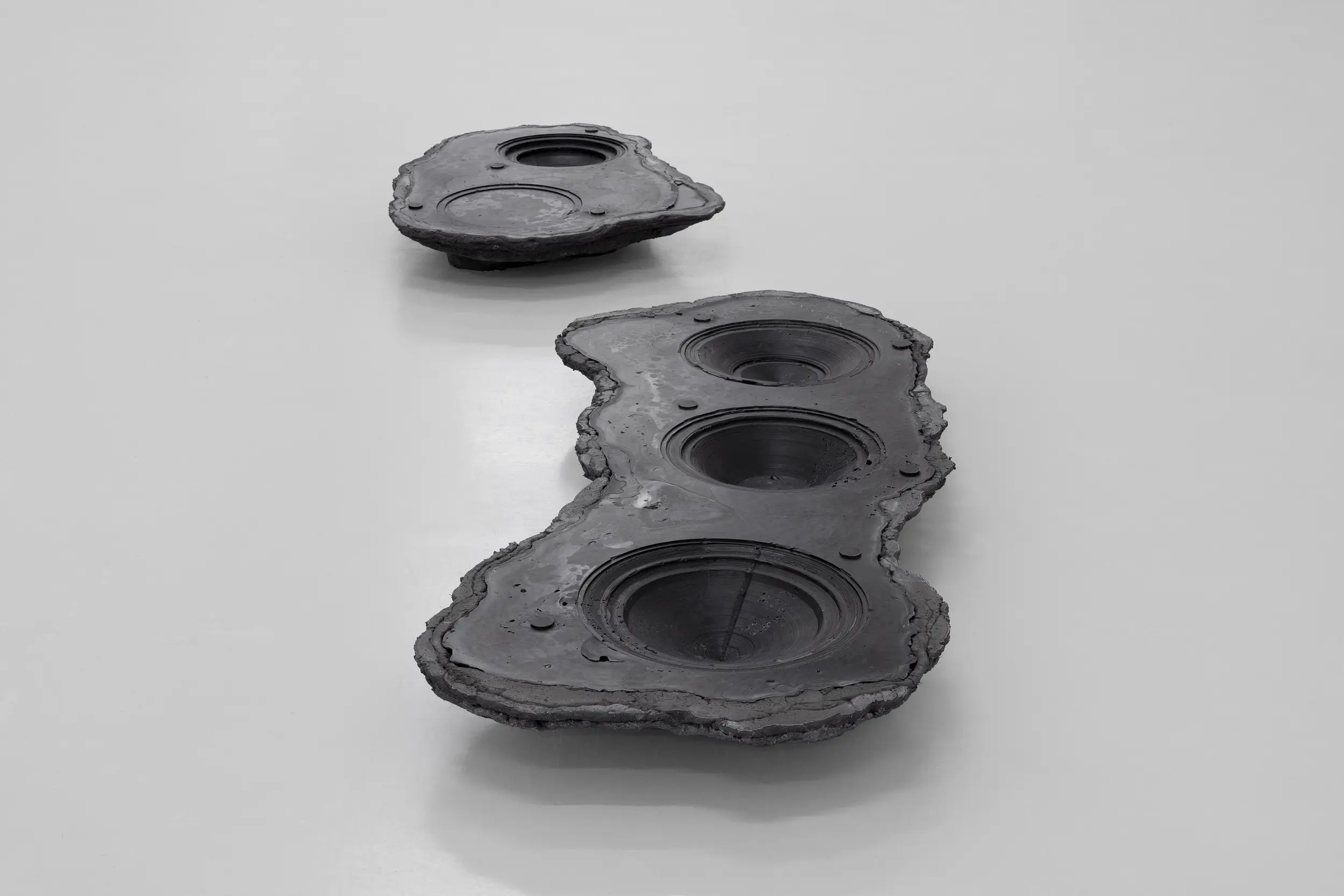
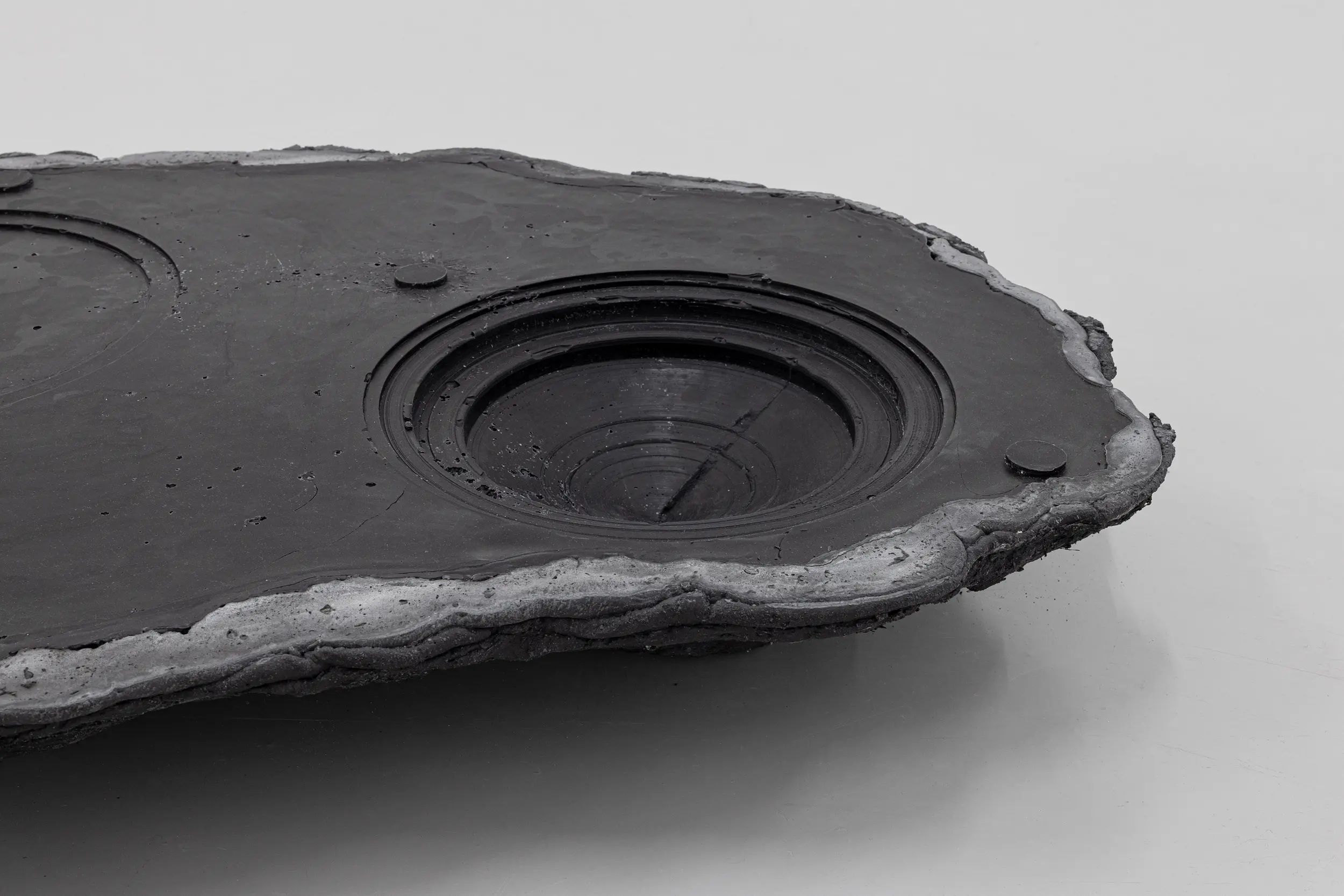
cast pigmented concrete, cast pigmented wax, 17 x 115 x 315 cm, 6 3/4 x 45 1/4 x 124 in
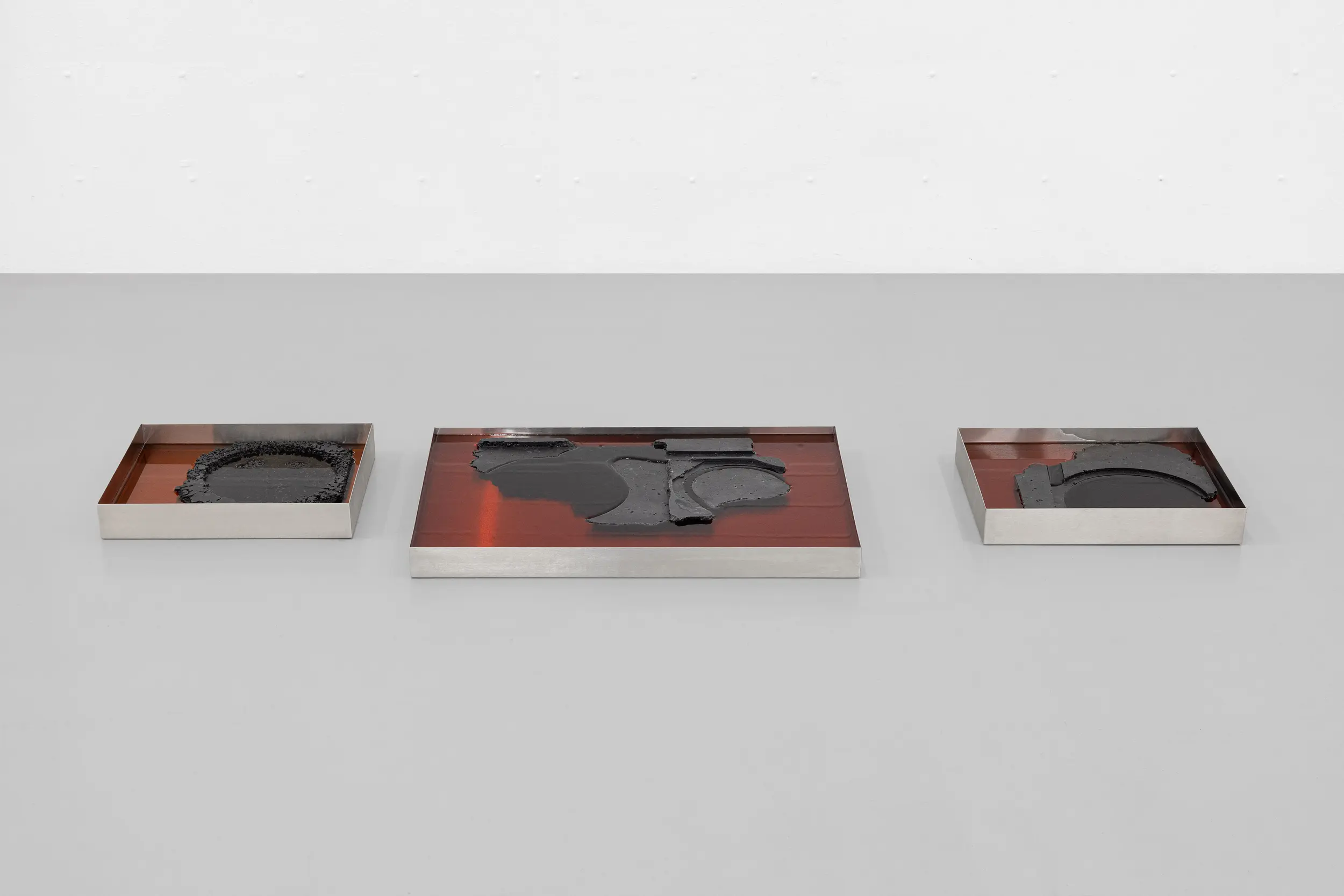
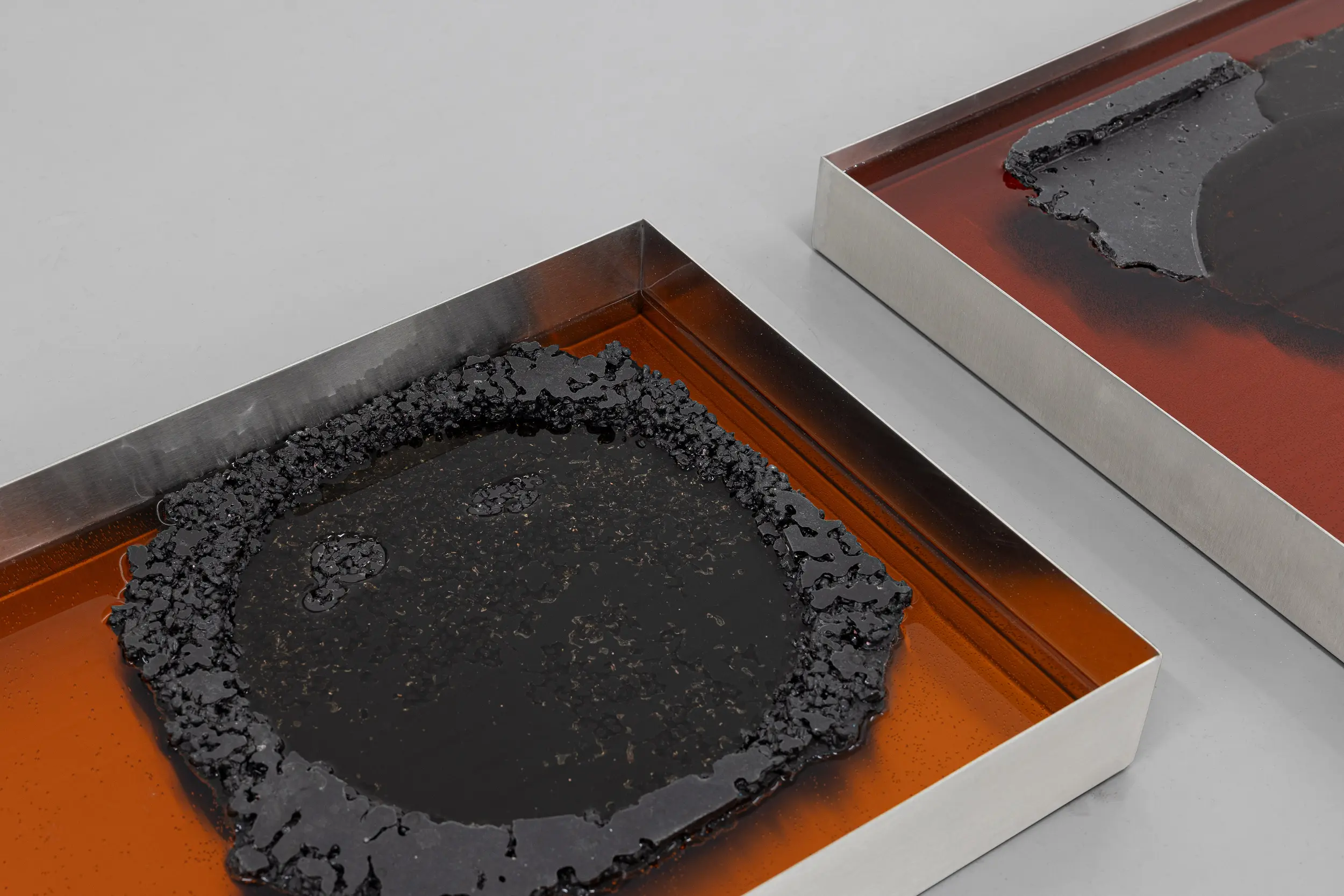
cast epoxy resin, dyed water, stainless steel, 6.5 x 182.5 x 46 cm, 2 1/2 x 71 7/8 x 18 1/8 in
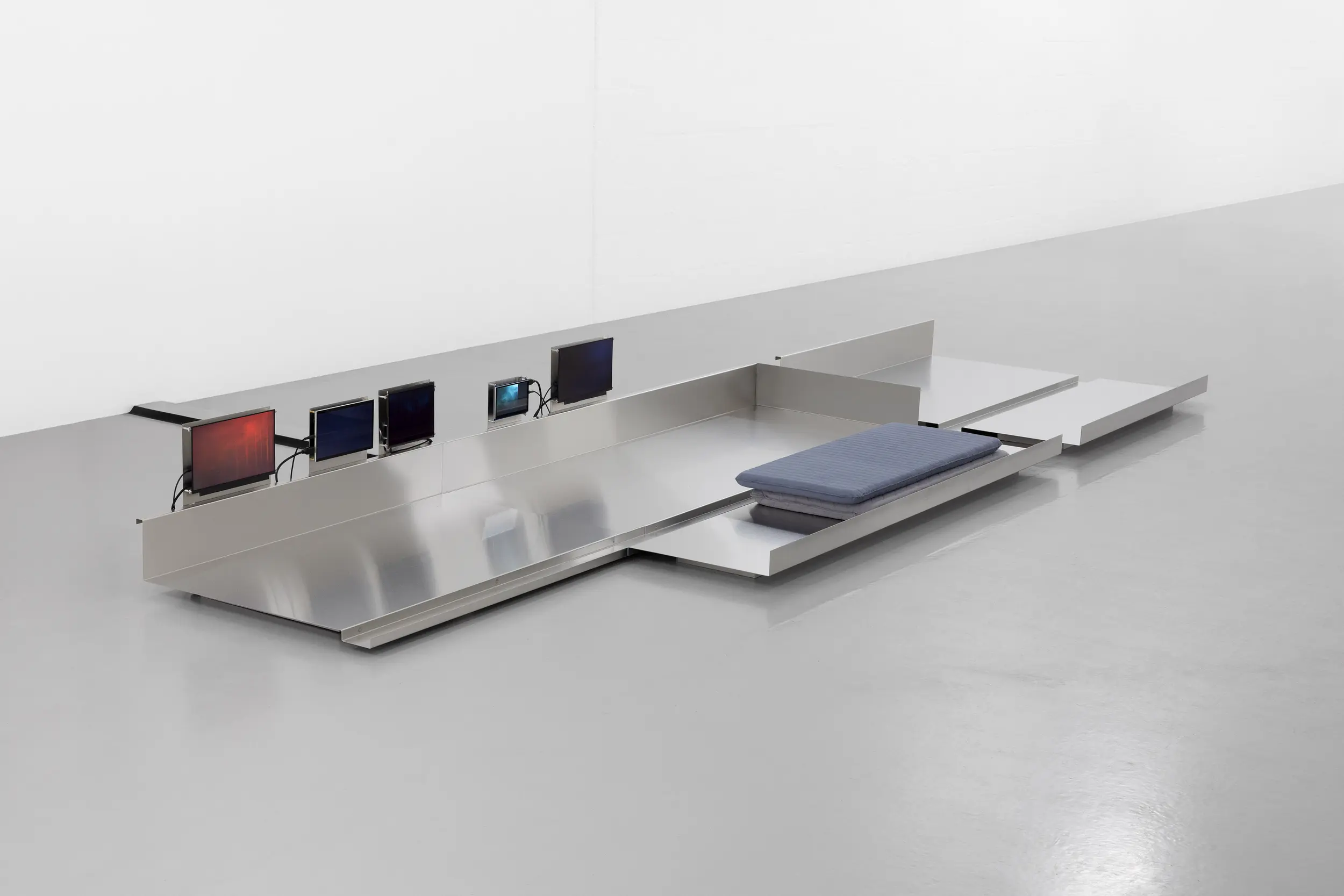
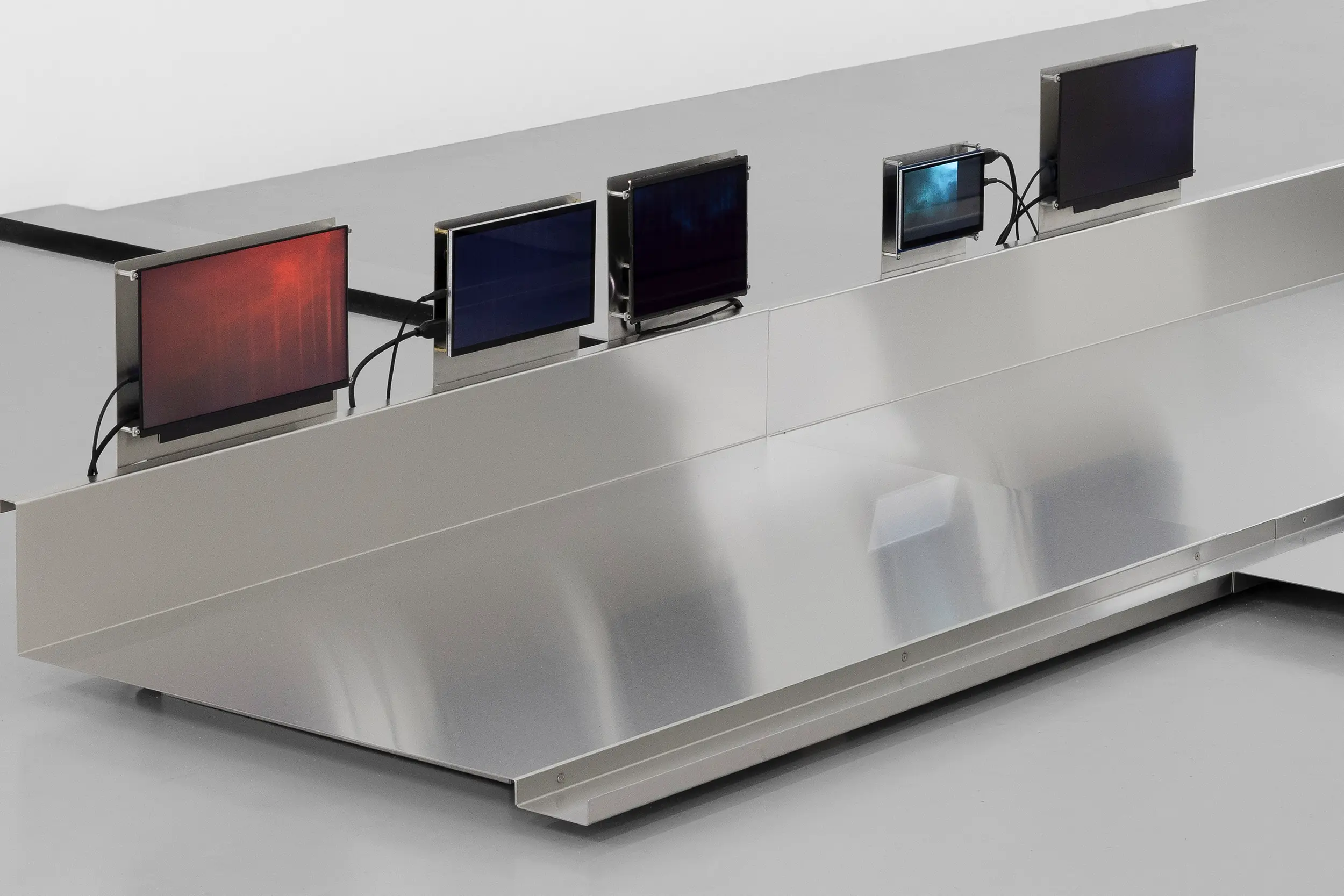
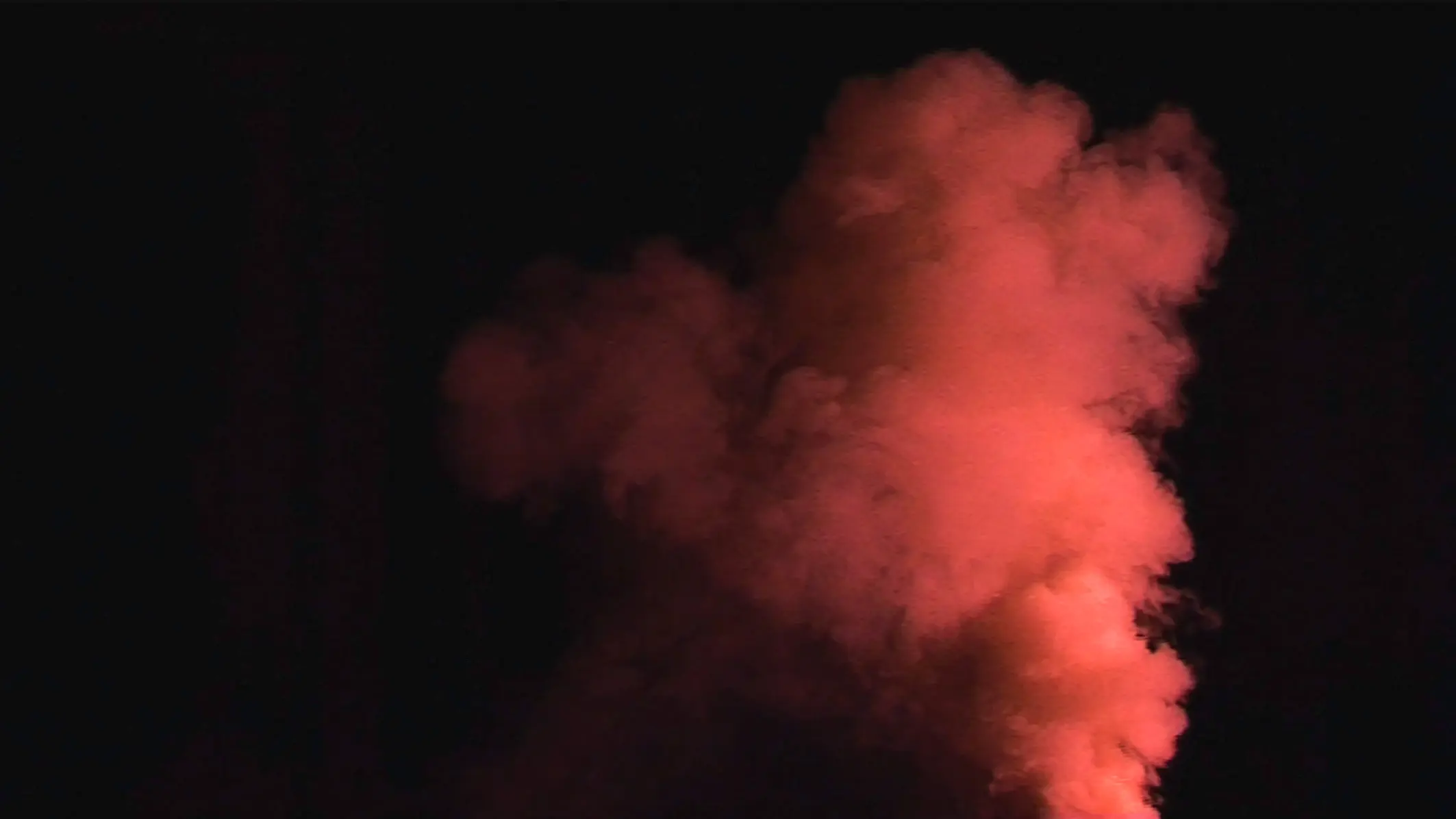
stainless steel, LCD screens, dyed and sewn fabrics, HDV transferred to HD, 42 x 123.5 x 44.8 cm, 16 1/2 x 48 5/8 x 17 5/8 in
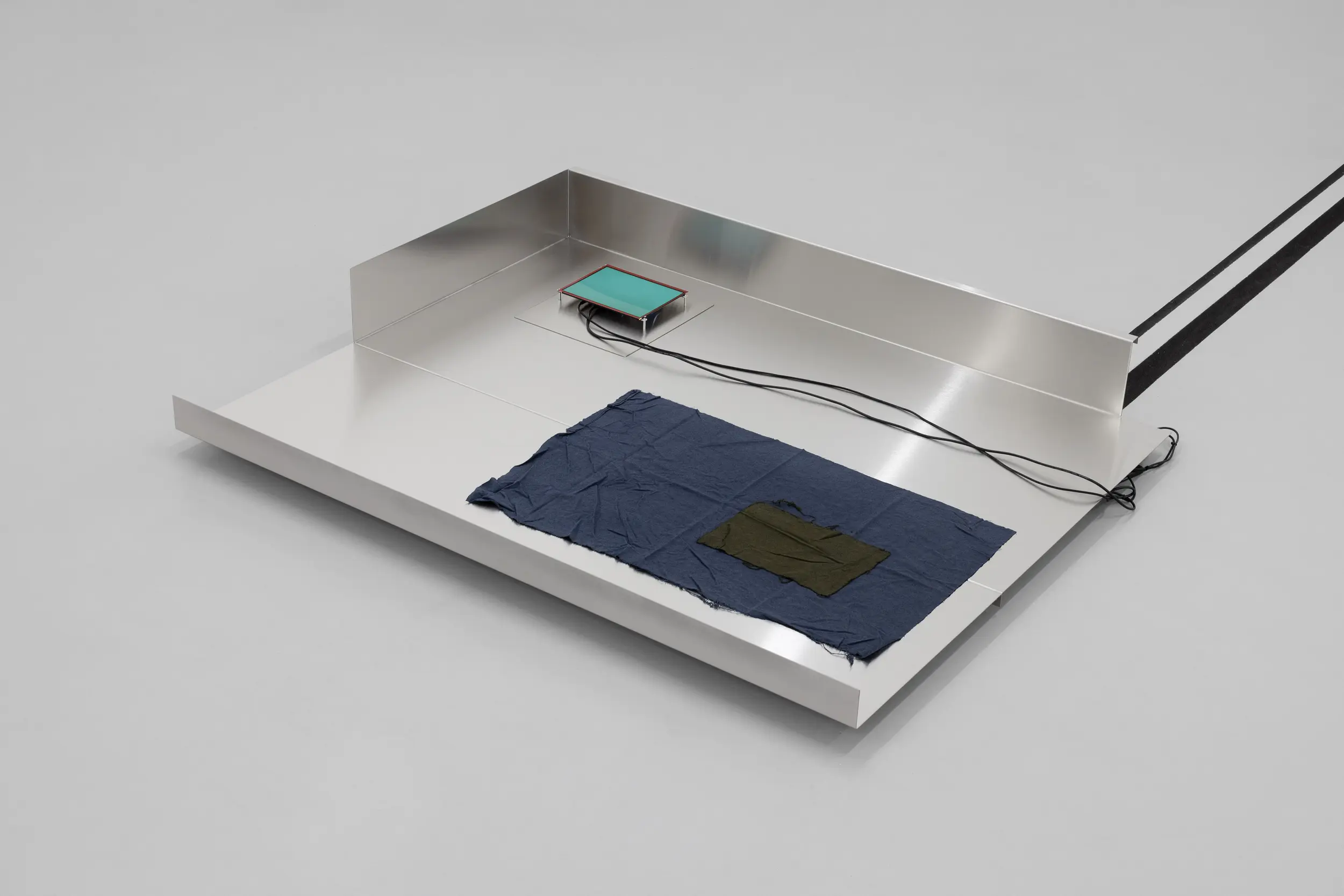
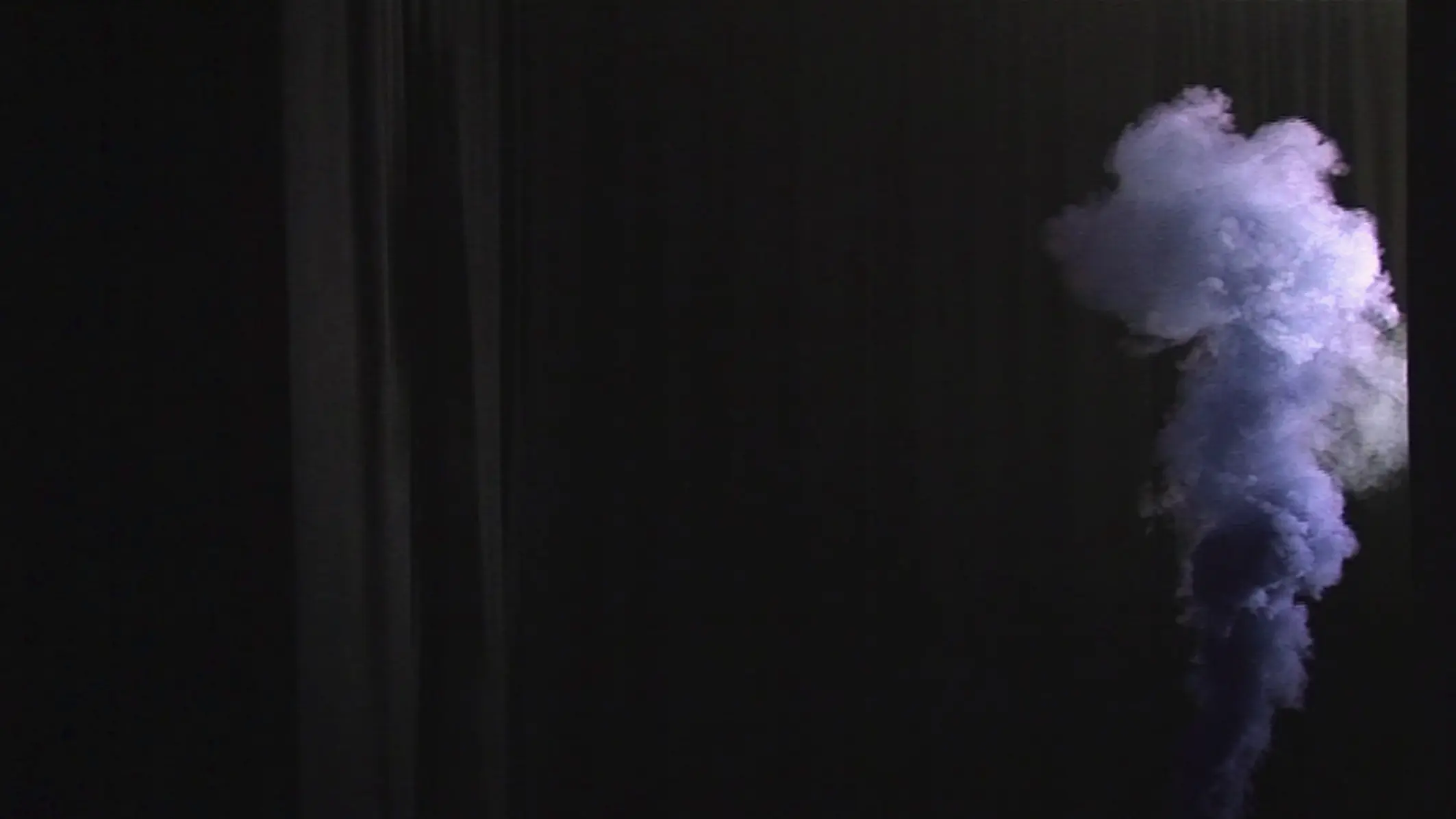
stainless steel, LCD screen, dyed fabrics, 21 x 114 x 141 cm, 8 1/4 x 44 7/8 x 55 1/2 in
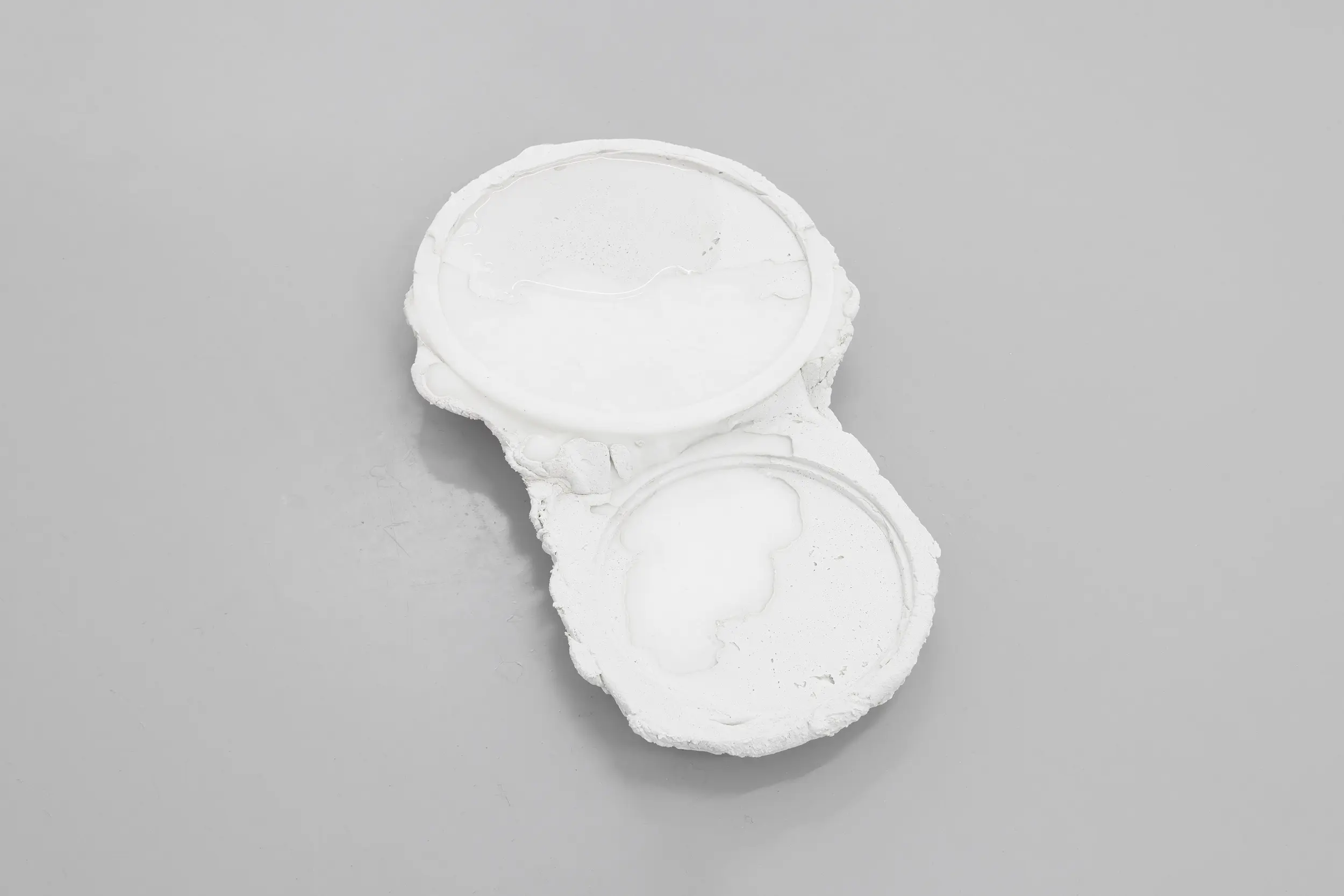
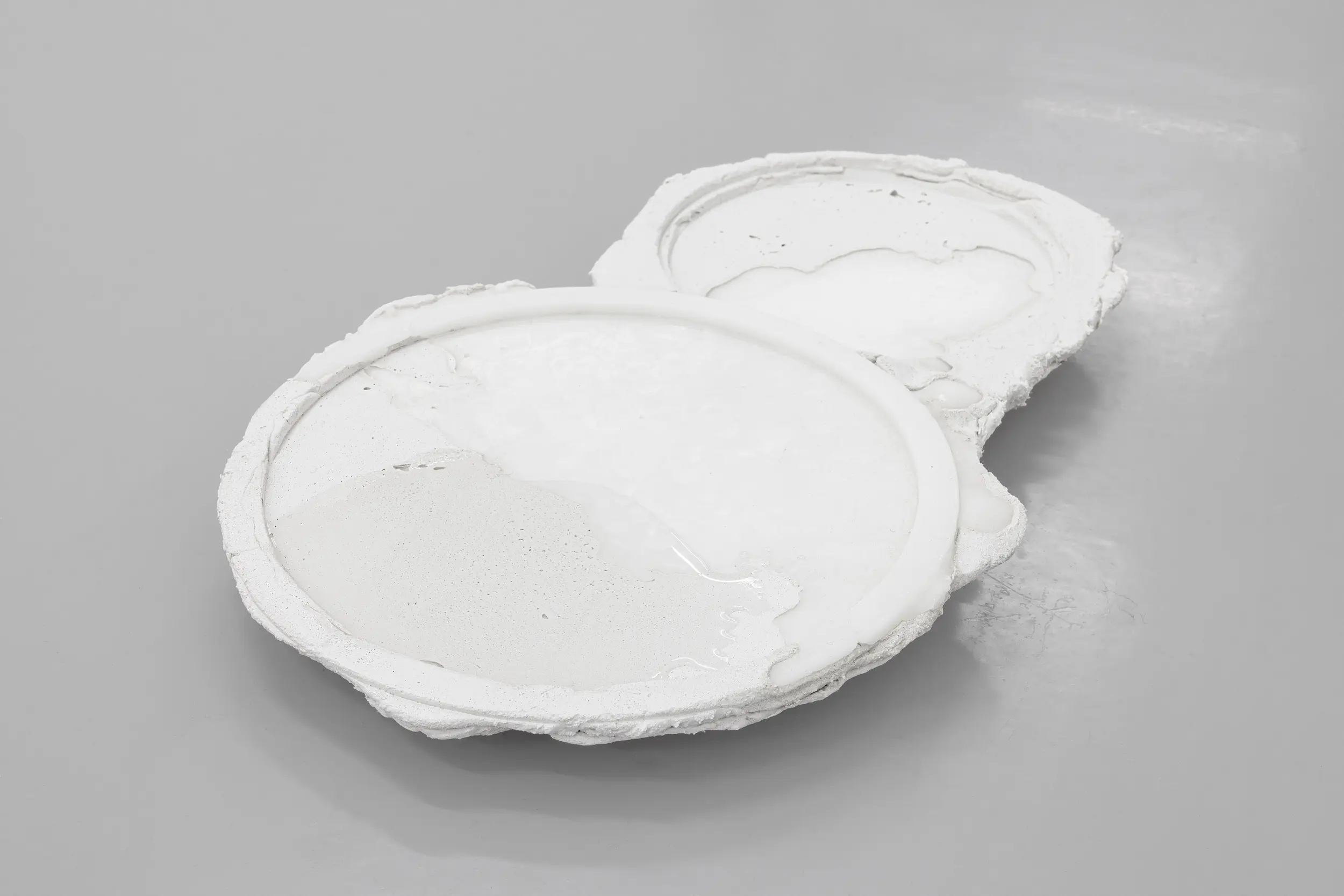
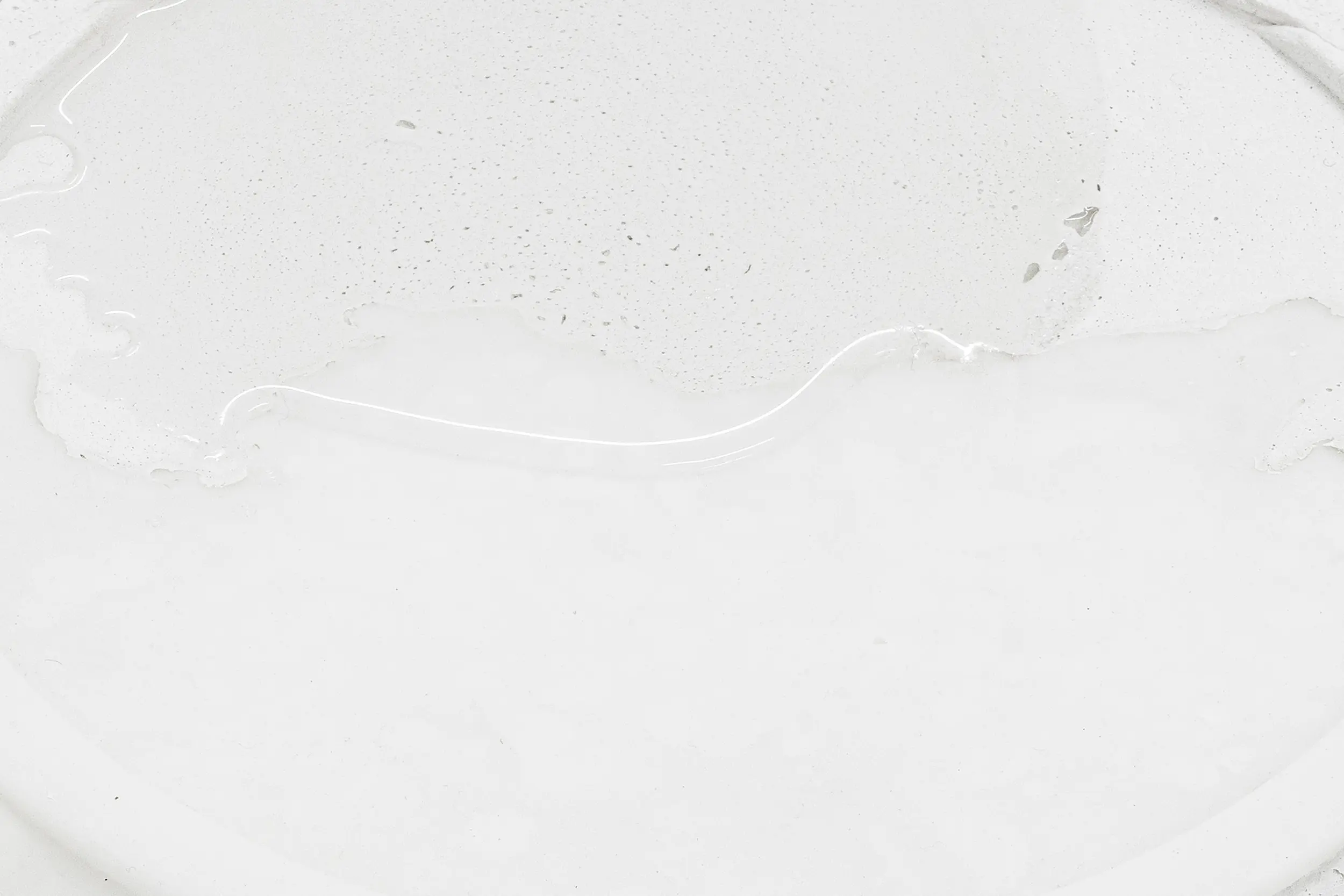
cast pigmented concrete, wax, rainwater, 6.5 x 36.5 x 60 cm, 2 1/2 x 14 3/8 x 23 5/8 in
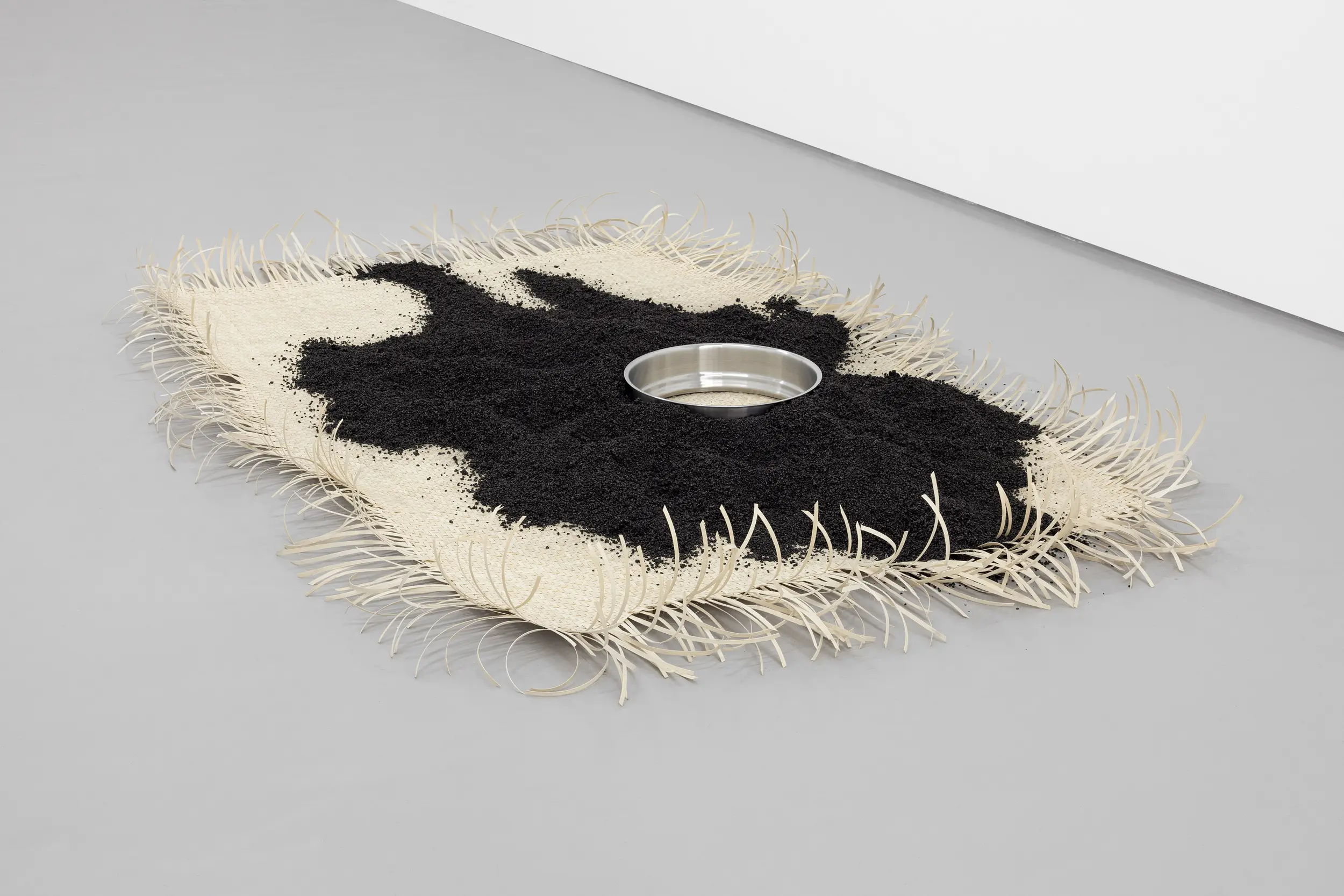
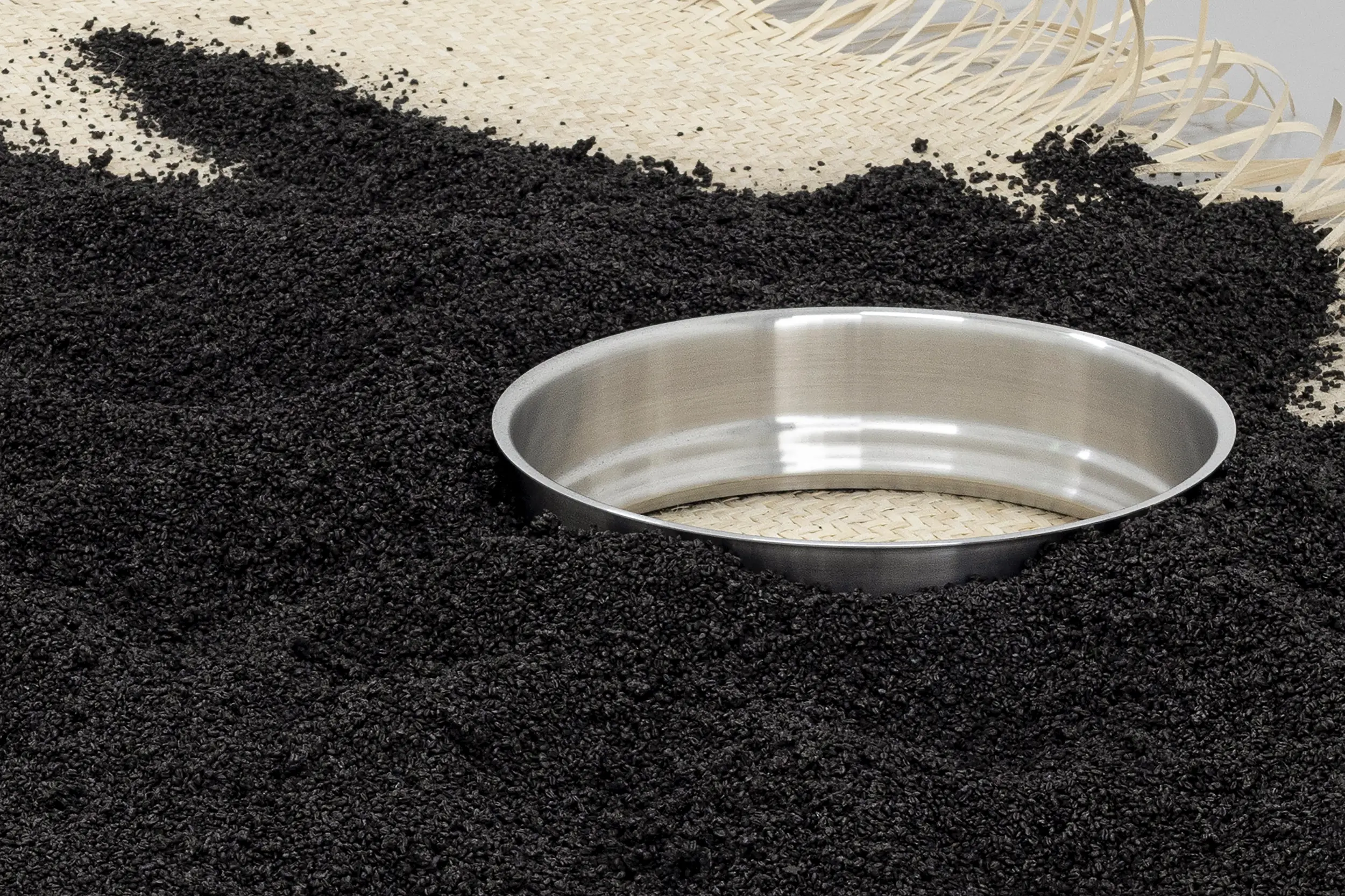
burnt wheat, aluminium, woven cane, 17 x 190 x 290 cm, 6 3/4 x 74 3/4 x 114 1/8 in
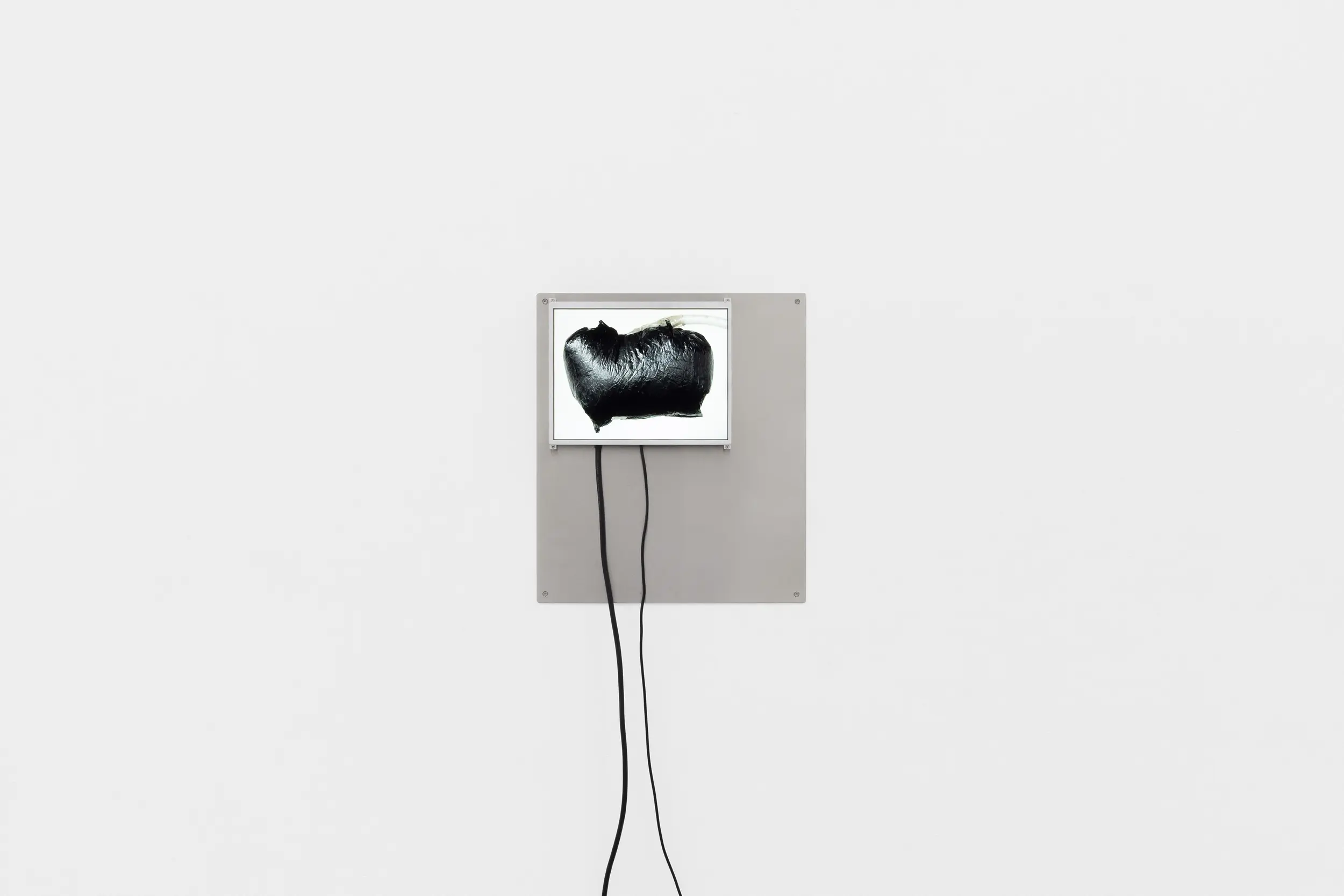
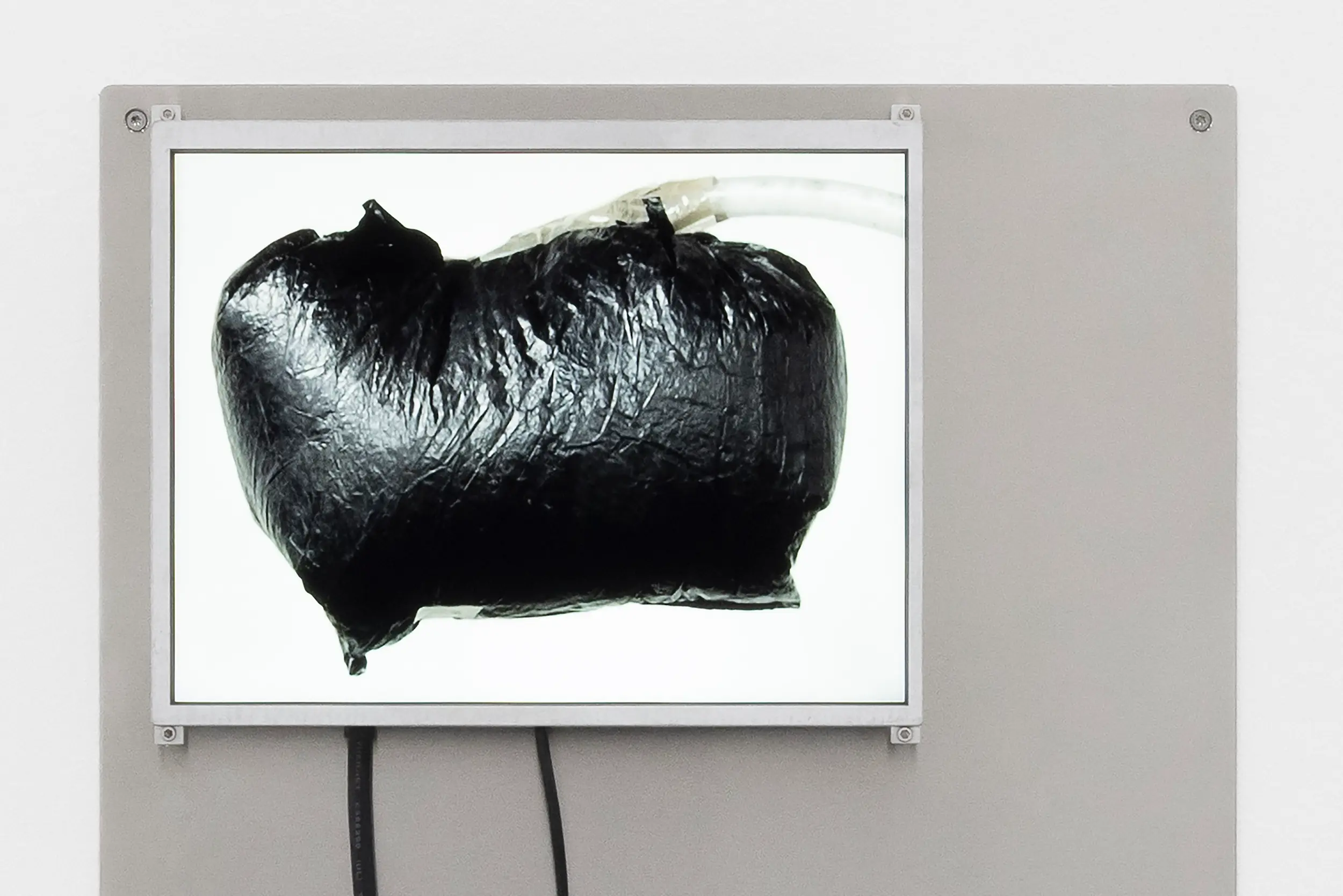
LCD screen, DV video transferred to digital, stainless steel, 44.5 x 38.6 cm, 17 1/2 x 15 1/4 in
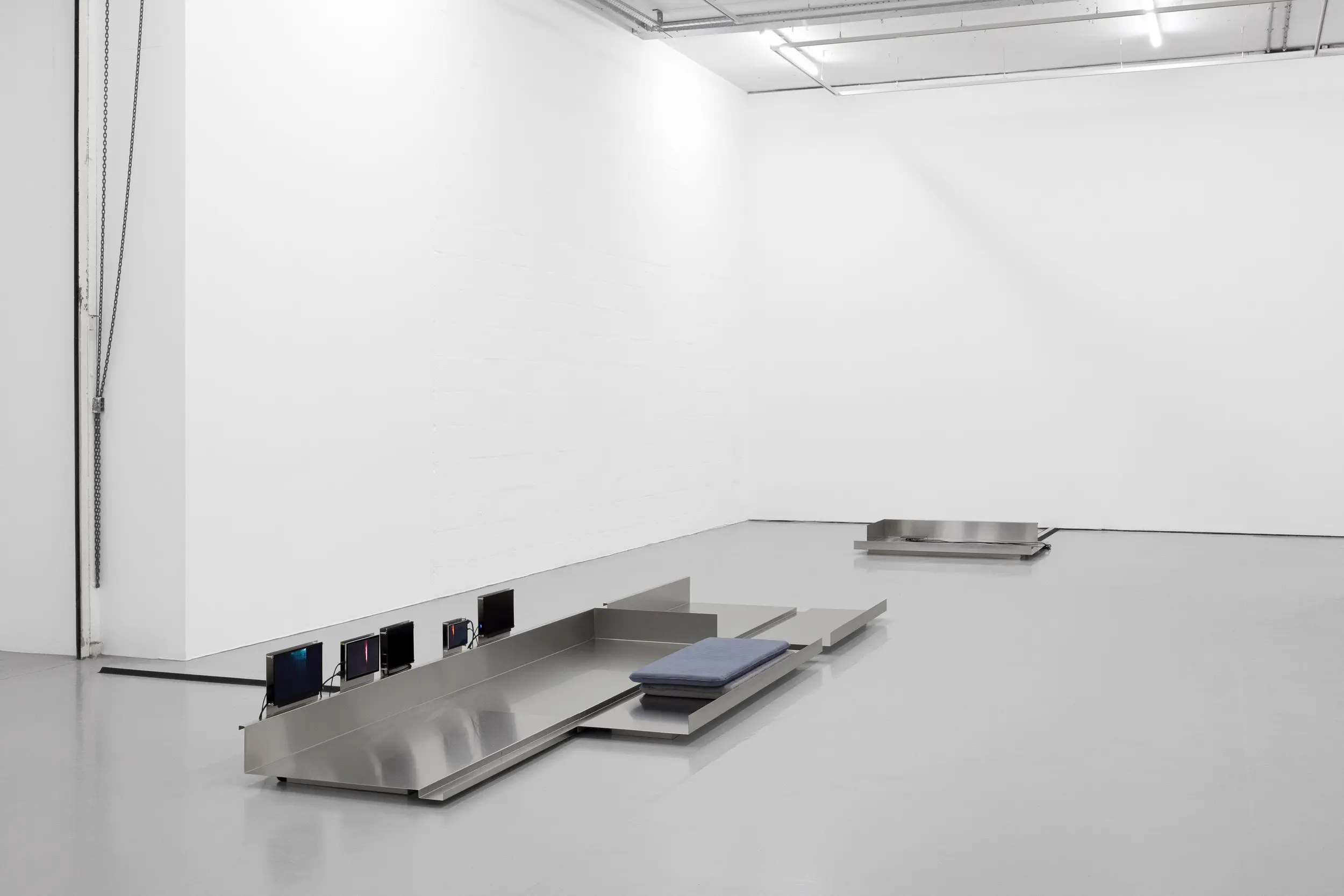
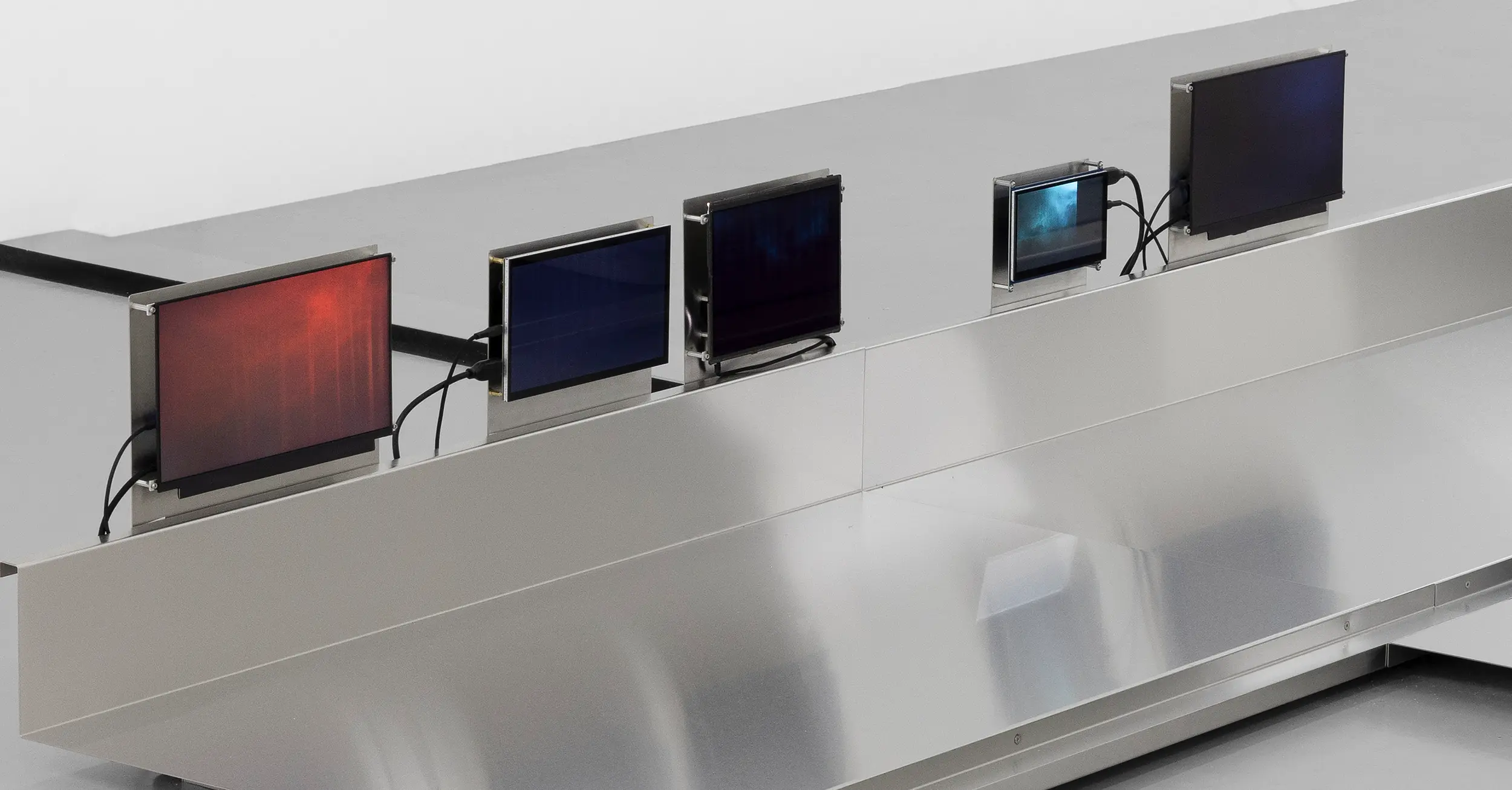
You think of the sculptures as offerings because the liquid rhythms of their material states are so often syncopated by recesses and receptacles. Yet even the remotest dimensions are somehow regularised. You consider that modularity of folded stainless-steel, with screens inset, as a tracking of interspersing temporalities. Reintroducing footage from a past work, here the materiality of time purls in the inherent transiency of its content. Segmented linearity is projecting recorded material of billowing vapours, its speeds behaving less for viewing than for functioning as its bracketed area defines its time. Delicately exposed cables tenderly relay the electrical energy. Those warm, slender tethers are coordinating footage of dissolvable and dissipative pyrotechnic smokes, flowing out, asynchronized, as blinking and moving images. Trailing the air, smokes rebegin from a picked-out spark. [...]
What else might these sculptures hold out to you? A hand, almost. Pale luminance contours a pair of shallow, deliquescent trays cast in white wax and stationed low on the wall. Since one is brim-full of rainwater, the resultant stillness summons a circular inspection of some fresh quarry within you, a hankering that doesn’t yet understand the shape of its yearning: To drink? To wash? To quench? To immerse? The water lays like a crush. Yes, always with circumscribed water: the prospect of satiety. You find similar senses within a whorled ground comprising repeat wax castings of gold panning vessels. Fatiguing and imprinting the positive and negative space of the containers, here process has stressed the tolerances of casting itself. Your attention renews and reinscribes its carefully writ rings, they draw you in, as if your very thoughts might begin to sift a glistened epiphany. Its roving radiality occasions a votive attendance from you as you orbit it. Arriving like a skipping stone with its dispersive physics, you take its hollows in.
Over the past three decades, Phillip Lai has developed a sculptural language which explores approaches to the ubiquitous materials and experiences that derive from a techno-industrial culture – such as that of mass production, functionality, the mechanistic, automation, ergonomics, and infrastructure. Its basis refers to our psychological interactions in this culture, as well as an intermingling with it. Transfers or retentions of energy are envisioned, through materials and objects that often suggest the support of basic daily functions, needs and the sustaining of human life. Containers; plates, sinks, bowls, or barrels – the receptacles that typically carry raw materials or food, often appear alongside other motifs, such as cloth - in the form of jute, clothing, tarpaulin - layers utilised to provide protection, shelter or warmth. Across all of Lai’s work, he excavates for something deeper and beyond the apparent inertia of objects. This excavation, as though to glimpse more clearly the underlying interaction of things, seems to reach for the quietest, most remote trace of figuration that may belie their abstraction.


Phillip Lai was born in Kuala Lumpur in 1969 and moved to London in 1979, where he continues to live and work. He holds both BA and MA Fine Art degrees from Chelsea School of Art & Design, completing his studies in 1994. Lai has been a lecturer at Goldsmiths, University of London since 2001. In 1997, he presented his first solo exhibition at The Showroom, London. His work has been the subject of subsequent solo exhibitions at Kiang Malingue, Hong Kong (2023); Modern Art, London (2021); Galleria Franco Noero, Turin (2019); Edouard Malingue Gallery, Hong Kong (2018); Camden Art Centre, London (2014); and Transmission Gallery, Glasgow (2009). Lai has participated in group exhibitions at Mead Gallery, Warwick Arts Centre (2023); Goldsmiths Centre for Contemporary Art, London (2022); Modern Art, London (2021); Nottingham Contemporary (2014); Tate Modern, London (2010); Artists Space, New York (2006); Centre for Contemporary Art, Glasgow (2005); Museum of Modern Art, New York (1998); and the Institute of Contemporary Arts, London (1994). In March 2018, he was shortlisted for the Hepworth Prize for Sculpture, and from 2017–2019 was awarded the Sculpture Fellowship at the Kenneth Armitage Foundation, London. His works are held in collections including the Arts Council Collection, London; M+, Hong Kong; Museo Jumex, Mexico City; Sifang Art Museum, Nanjing; and Tate, London.
Related


